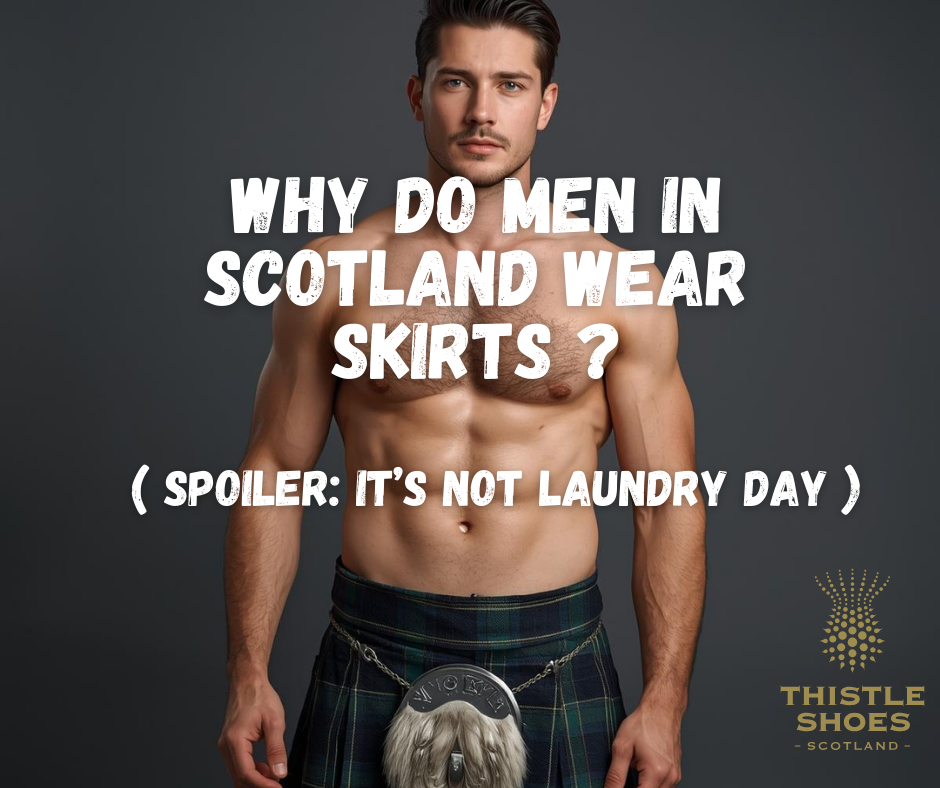
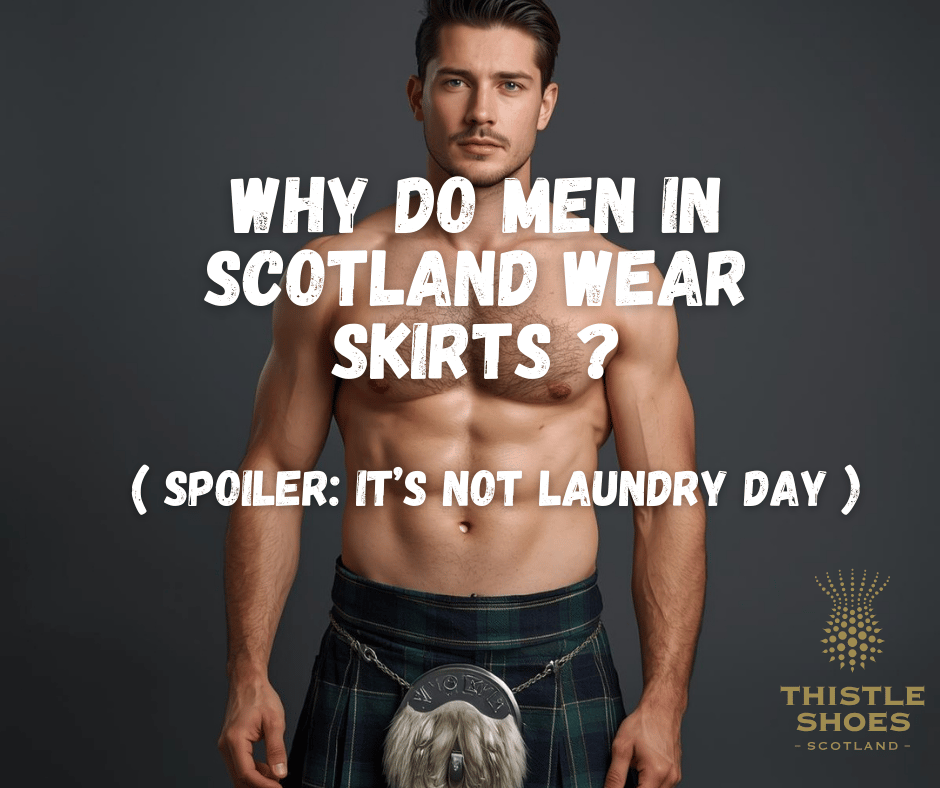
It’s one of the most instantly recognizable sights in Scotland: men proudly wearing what appears to be a skirt as part of their traditional dress. That garment is the kilt, and it carries centuries of history, practicality, and deep cultural pride. In this article we explore why Scottish men wear kilts, their origins, and how this tradition remains vibrant today—complete with the iconic footwear that completes the look: Ghillie Brogues.
The Origin and Historical Background
The custom of men wearing skirt-like garments in Scotland stretches back to ancient Celtic and Gaelic times. Early Highlanders favored long, loose clothing that allowed free movement across rugged hills, bogs, and heather-covered moors.
By the late 16th century this evolved into the féileadh mòr (great kilt or belted plaid)—a huge length of tartan wool wrapped and belted around the waist, with the upper portion draped over the shoulder or used as a cloak. Around the early 18th century the garment simplified into the féileadh beag (little kilt), the familiar knee-length, pleated kilt worn today.
After the 1745 Jacobite rising, Highland dress (including kilts) was banned under the 1746 Dress Act. When the ban was lifted decades later, and especially during the Victorian-era romantic revival of Scottish culture, the kilt re-emerged as a proud national symbol.
Practicality and Comfort
The kilt’s design is brilliantly suited to Scotland’s climate and terrain. Wool tartan fabric breathes well in mild weather, insulates in the cold, and dries relatively quickly when wet. The open, pleated construction gives complete freedom of movement—ideal for walking long distances, dancing at ceilidhs, or competing in the physically demanding Highland games.
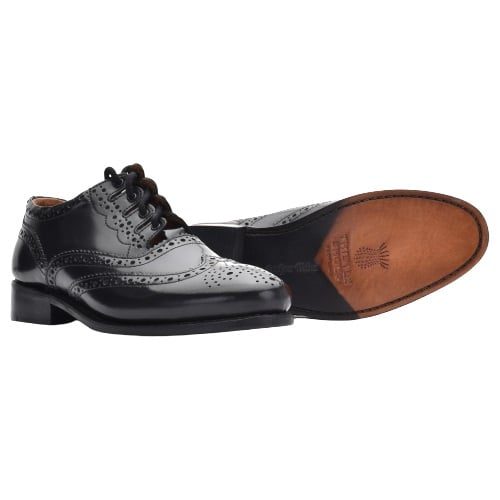
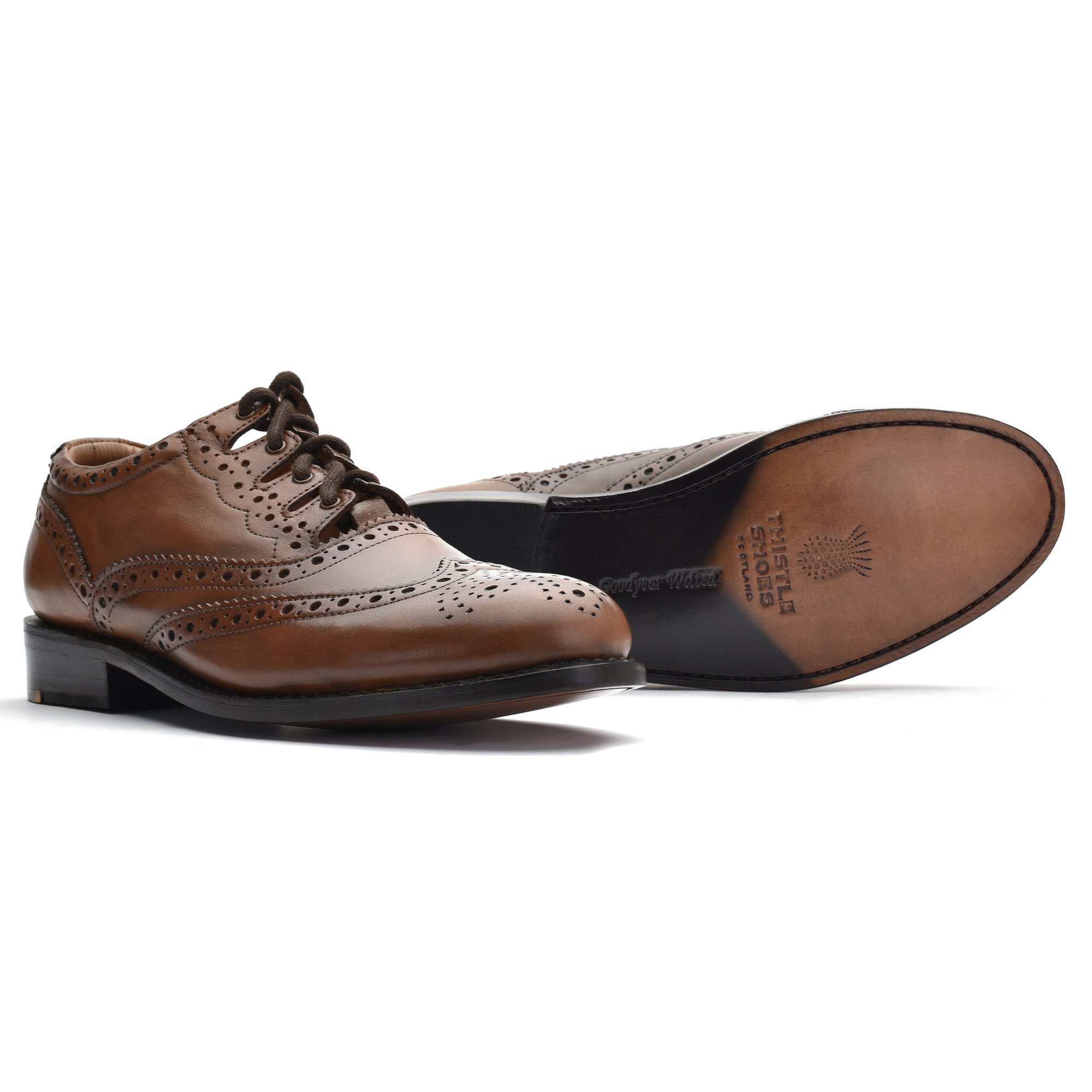
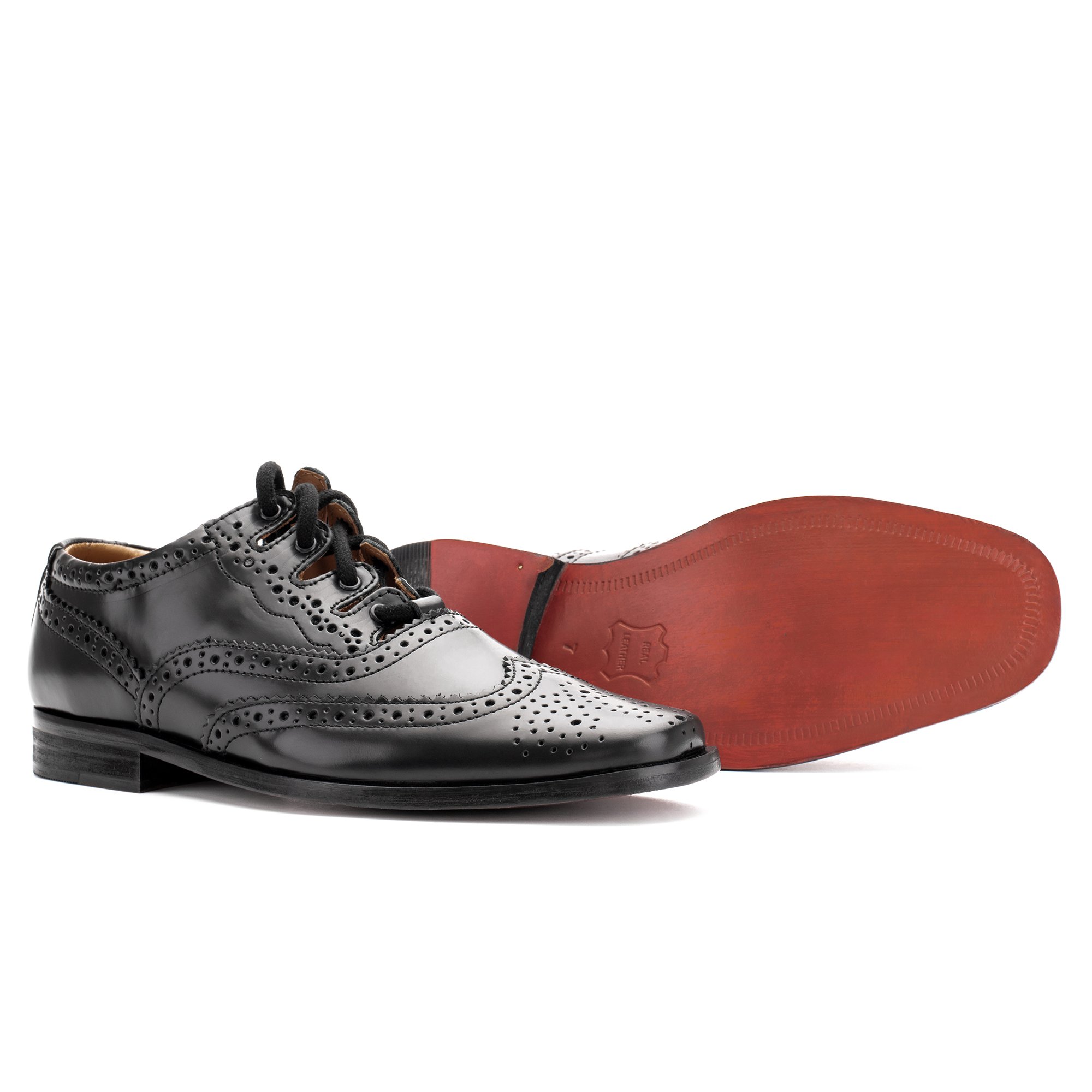
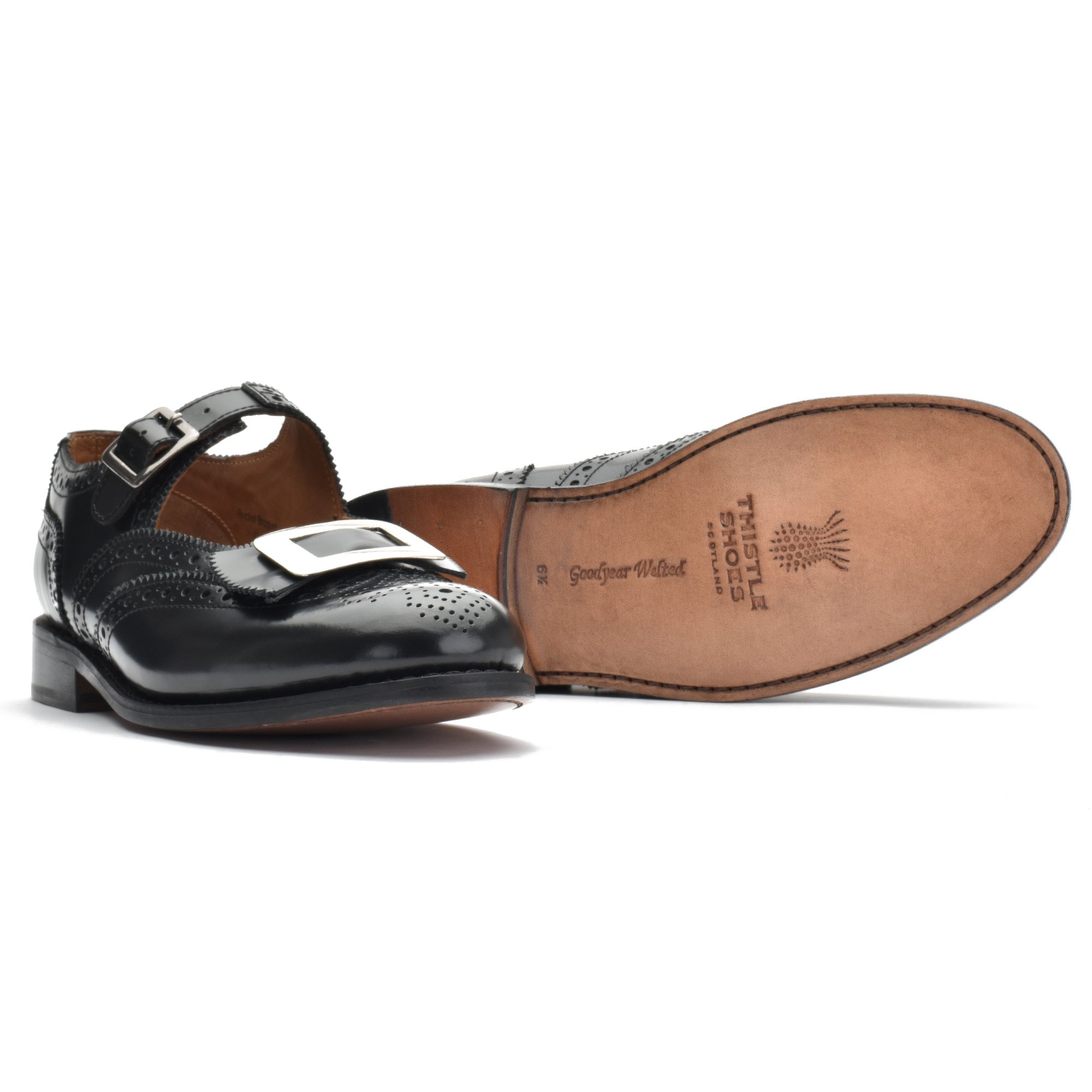
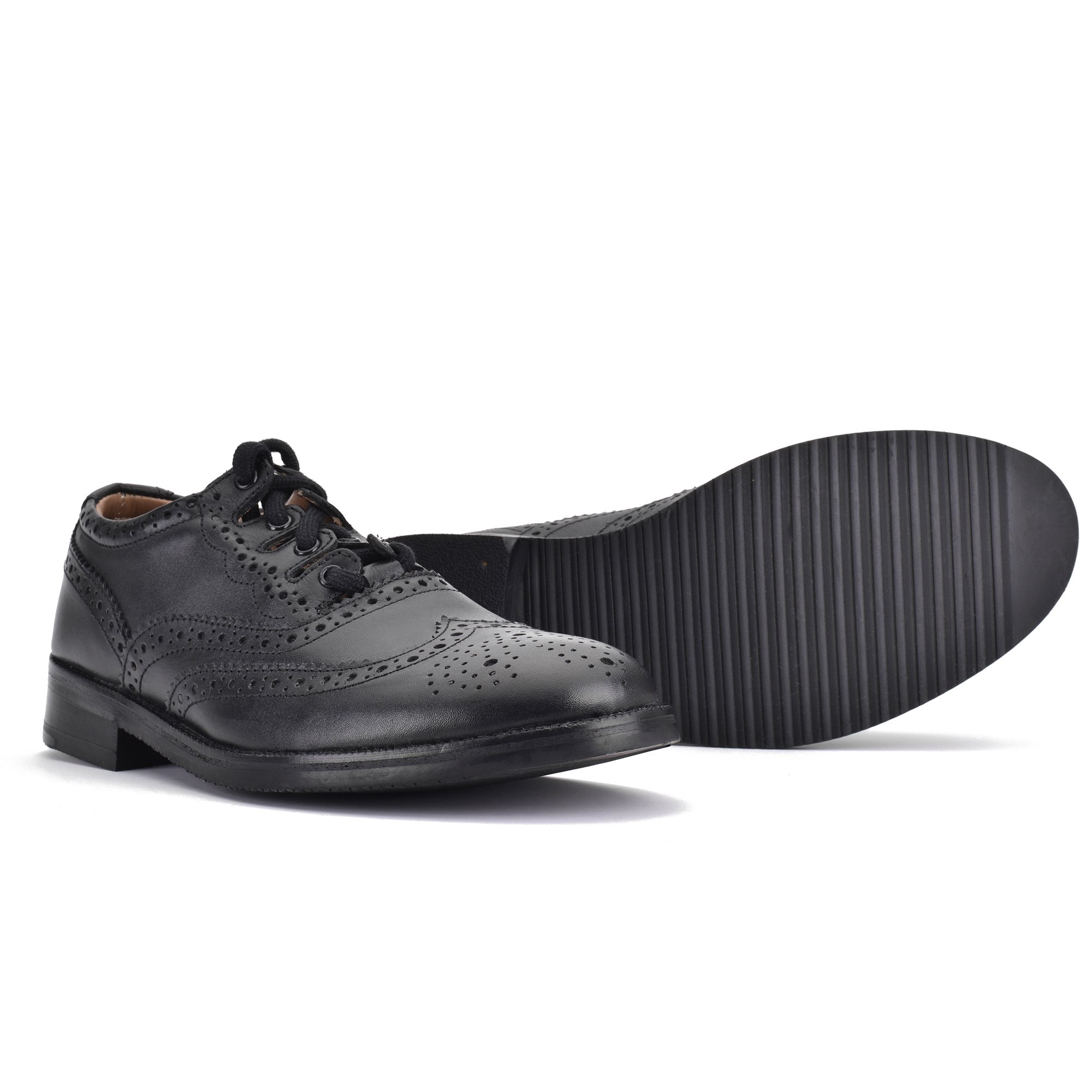
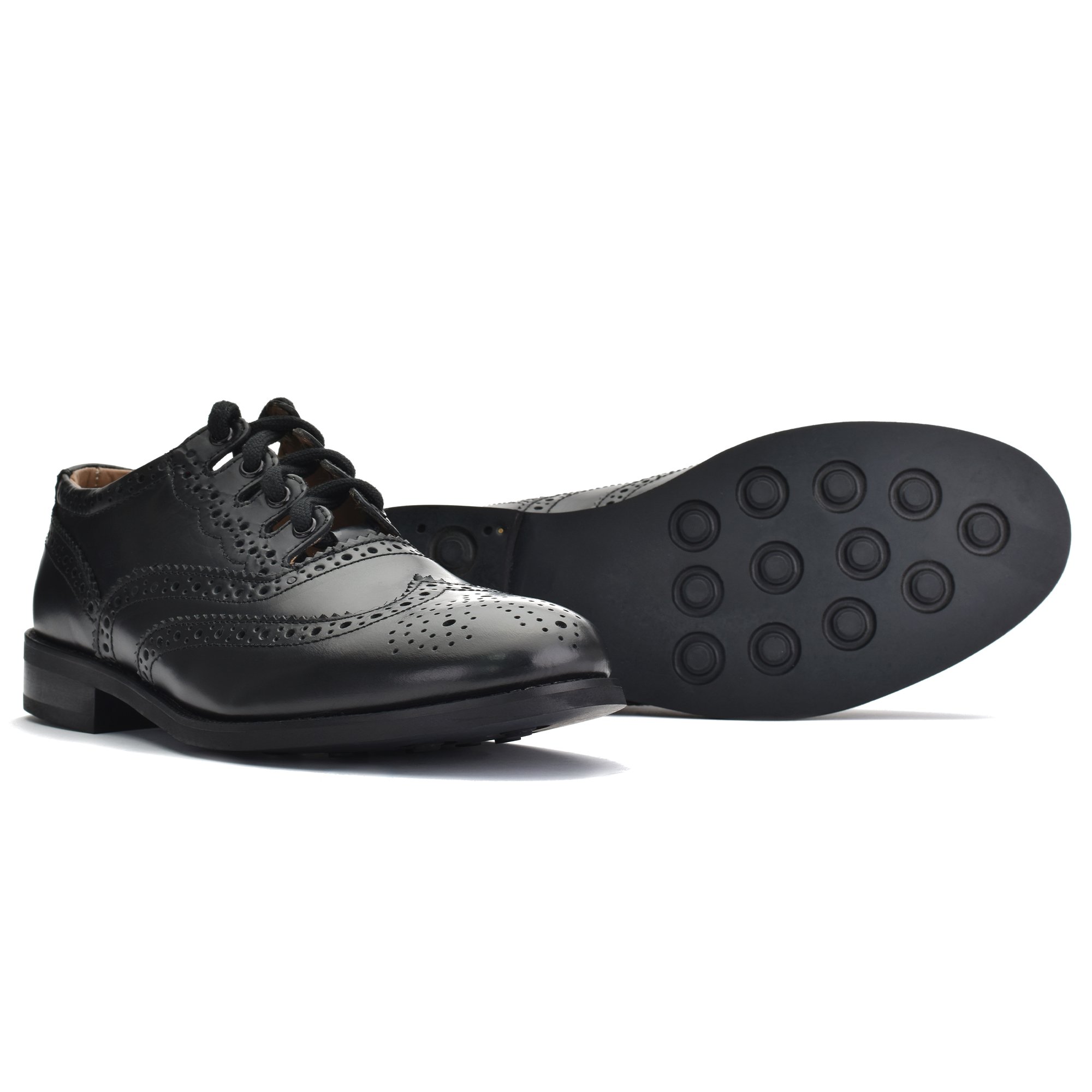
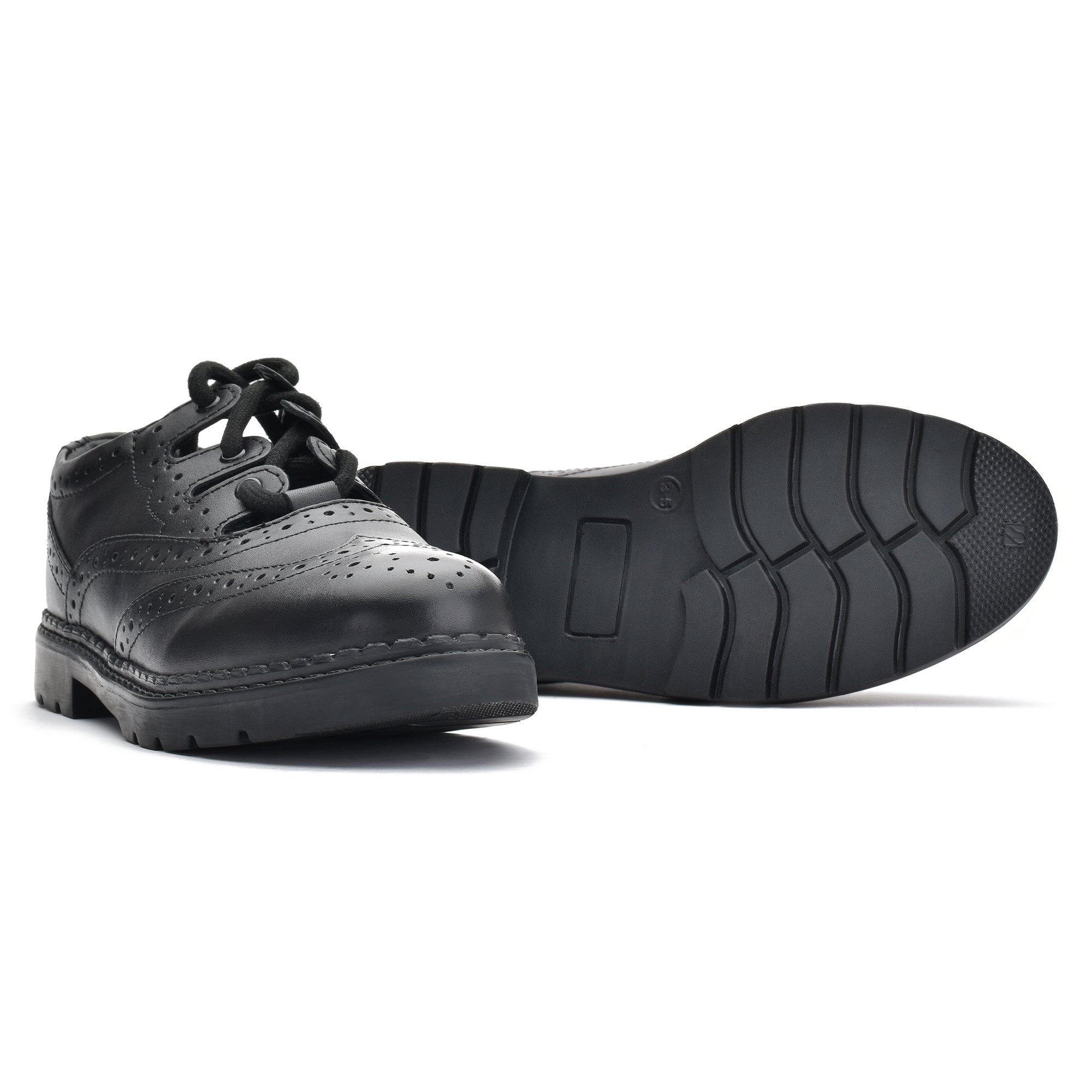
And no kilt outfit is complete without the perfect footwear: Ghillie Brogues. These traditional Scottish shoes feature long, thin laces that wrap around and tie above the ankle, leaving the tongue and vamp open. This distinctive open design was originally created so the shoes could drain quickly when walking through wet heather, peat bogs, and streams—essential in the Highlands. Today, Ghillie Brogues remain the classic and most authentic choice to wear with a kilt, combining practicality with timeless style.
Cultural Significance
The kilt is much more than clothing; it is a living symbol of Scottish identity, clan heritage, and pride. Most tartan patterns are linked to specific families, clans, districts, or regiments, instantly connecting the wearer to centuries of history.
Kilts are worn at weddings, formal dinners, Highland games, Burns Suppers, and many other celebrations. Putting on a kilt (and the full ensemble including Ghillie Brogues, kilt hose, sporran, and sgian-dubh) is an act of respect for tradition and a visible declaration of Scottish roots.
A Symbol of Scotland
A man in full Highland dress—kilt swinging, tartan flying, and Ghillie Brogues laced neatly up the leg—immediately evokes Scotland itself: its mountains, history, music, and resilient spirit. The complete outfit is both stylish and deeply meaningful, allowing people everywhere to honor their heritage and keep Scottish traditions alive.
Regional Variations
- Great Kilt (Féileadh Mòr) — the historical full-length style more associated with the Highlands
- Small Kilt (Féileadh Beag) — the modern, shorter, tailored version now worn universally
Different regions and clans also favor particular tartans, pleating directions, and accessory styles—including variations in how Ghillie Brogues are laced and finished.
Modern Interpretations
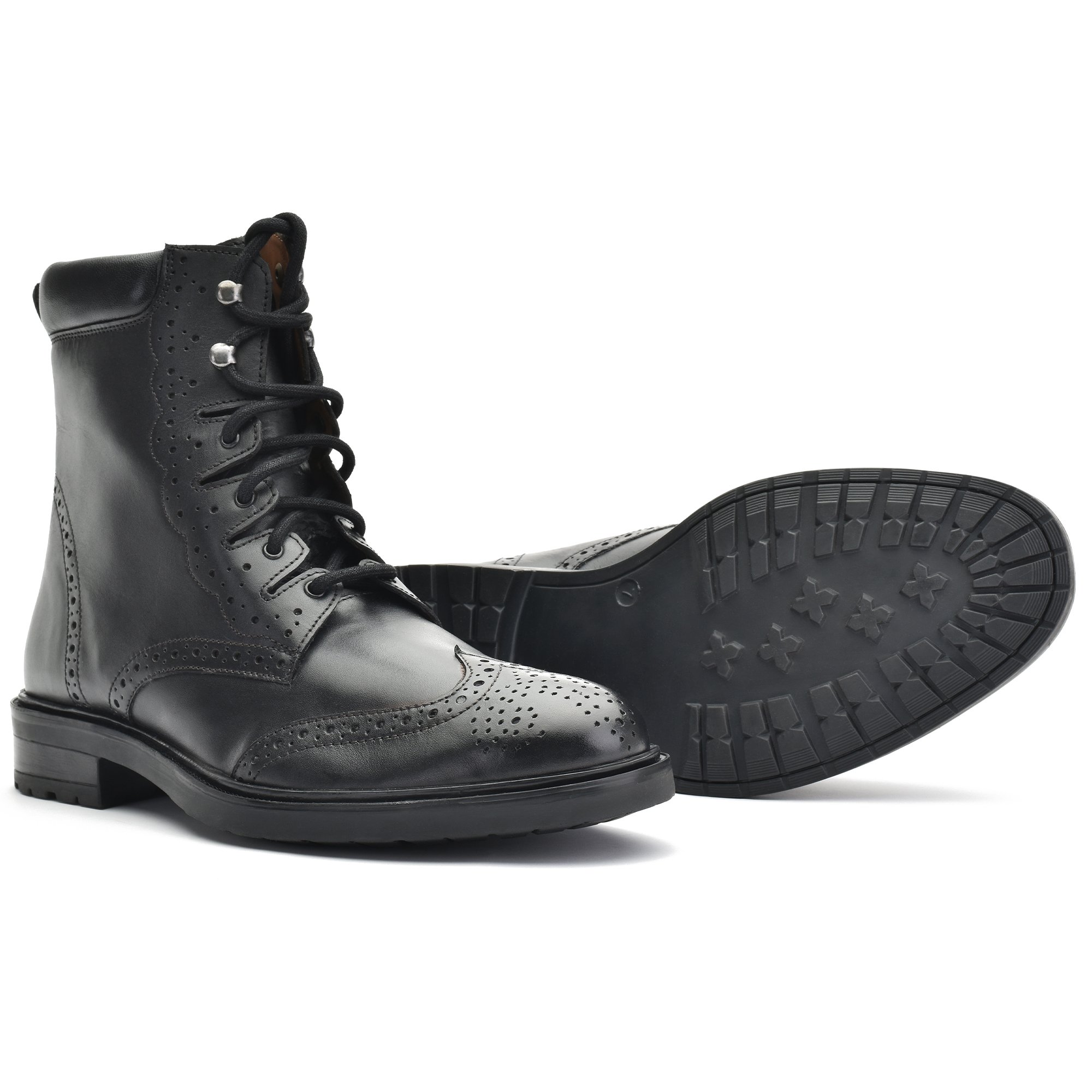
Today’s kilt is far from frozen in the past. Designers create casual day kilts, utility kilts for outdoor work and adventure, fashion-forward hybrid styles, and contemporary tartans. Many modern Highland outfits still pair beautifully with more modern ghillie boots.
Conclusion
The kilt is a remarkable blend of history, function, and cultural pride. Born from the practical needs of the Highlands, it survived prohibition and romantic revival to become one of the world’s most distinctive national garments. When finished with a pair of beautifully crafted Ghillie Brogues, the outfit becomes the perfect expression of Scottish heritage—practical, handsome, and instantly recognizable anywhere in the world.
At Thistle Shoes, we proudly craft authentic Ghillie Brogues using traditional methods and the finest materials, so you can complete your kilt outfit with footwear that honors centuries of Scottish craftsmanship.
Frequently Asked Questions
Are there rules for wearing Ghillie Brogues with a kilt? While there are no strict laws, tradition suggests lacing the shoes properly so the long laces wrap around the ankle and finish in a neat bow or knot. The shoes should be well-polished leather, and the laces should not cover the kilt hose flashes.
Can Ghillie Brogues be worn casually or only with full Highland dress? Absolutely. Many people wear Ghillie Brogues with jeans, trousers, or casual kilts for everyday style. Their distinctive look adds Scottish character to almost any outfit.
Can anyone wear a kilt and Ghillie Brogues, regardless of background? Yes—kilts and Ghillie Brogues are worn and appreciated by people of all backgrounds who love the design, history, and cultural significance. Scots generally welcome respectful adoption of the tradition.
Do only men wear kilts and Ghillie Brogues in Scotland? Kilts are traditionally men’s attire, and Ghillie Brogues are most strongly associated with men’s Highland dress. However, women often wear tartan skirts or kilted skirts.
Ready to step into tradition? Visit thistleshoes.com to explore our range of handcrafted Ghillie Brogues—the perfect finishing touch for any kilt outfit.