
So, you’ve decided to wear a kilt on your wedding day? Excellent choice! Nothing says Scottish sophistication quite like a well-fitted kilt, a sharp jacket, and—most importantly—a proper pair of ghillie brogues. But before you go full Highland warrior on your big day, let’s make sure you get everything just right—because trust us, no one wants to see a groom tripping over his laces or flashing more than intended during the ceilidh!
As specialists in ghillie brogues, we know that your shoes are just as important as your tartan. So here’s your ultimate guide to nailing the kilt look from head to toe (but mostly toe, because, well… we sell shoes).

Choosing the Right Kilt Outfit: A Groom’s Guide to Highland Elegance
A wedding kilt isn’t just an outfit—it’s a statement. It tells the world, “Yes, I am Scottish. Yes, I look fantastic. And yes, I absolutely know how to tie my own shoelaces (probably).” Whether you’re embracing your heritage or simply love the dashing look of a kilt, getting every detail right ensures you feel confident and look incredible on your big day.
So, how do you assemble the perfect kilt outfit? Let’s break it down.
The Tartan: Tradition, Style, and Avoiding a Fashion Faux Pas
Your tartan choice is one of the most significant elements of your wedding attire. If you have a family tartan, wear it with pride—after all, it’s a piece of history wrapped around your waist. But what if your surname doesn’t come with an age-old checkered pattern? Don’t panic!
There are plenty of universal tartans designed to be worn by anyone, and many grooms opt for tartans that match their wedding theme or personal style. But choose wisely picking a tartan just because it complements the bridesmaids’ dresses could leave you looking less “rugged Highlander” and more “coordinated tablecloth.”
If you’re unsure, consider visiting a kilt specialist who can help you find a tartan that matches your style and connection to Scotland. Alternatively, you can explore The Scottish Register of Tartans, a fantastic resource with rich historical insights into Scottish tartan. Their website features a handy Quick Tartan Search tool—simply enter your name and discover the patterns linked to your heritage.
The Jacket: Prince Charlie vs. Argyle—Which One’s for You?
Once you’ve chosen your kilt, it’s time to pair it with the right jacket. Your jacket sets the tone for the overall formality of your outfit.
Prince Charlie Jacket – The go-to choice for a formal wedding. This is the black-tie equivalent of Highland dress, often worn with a three-button waistcoat and a bow tie. It’s refined, timeless, and guaranteed to make you look like the lord of the manor.

Argyle Jacket – A versatile and stylish option that’s slightly less formal than the Prince Charlie. Usually worn with a five-button waistcoat and a ruched tie or cravat, it’s the perfect blend of elegance and comfort—ideal for grooms who want to look sharp but still be able to throw some shapes on the dance floor.
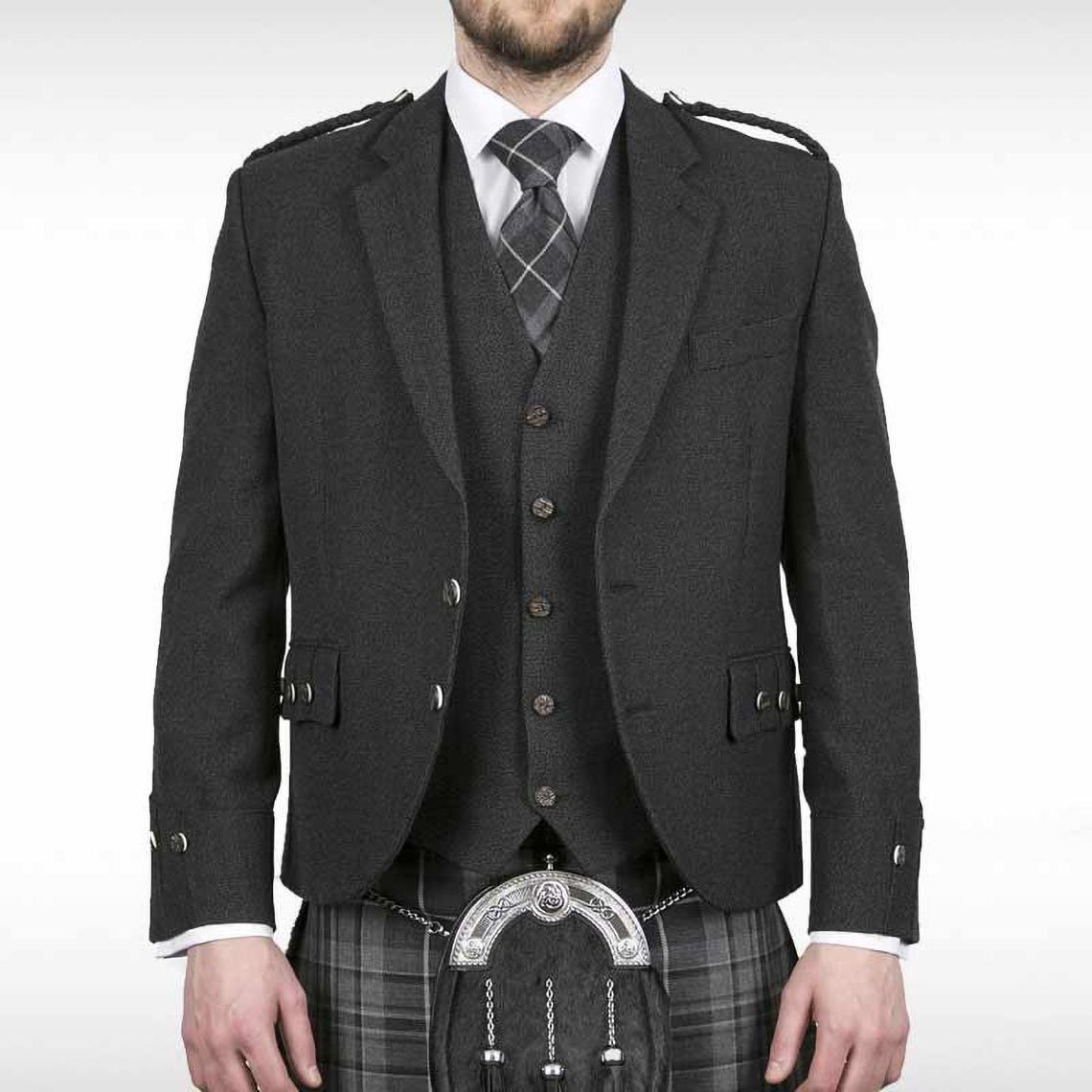
Whichever you choose, make sure it fits well—because nothing ruins a wedding look like a too-tight jacket making you feel like a stuffed haggis.
The Accessories: The Small Details That Make a Big Difference
Kilts aren’t just about the fabric—the right accessories can make or break your outfit. Here’s what you’ll need:
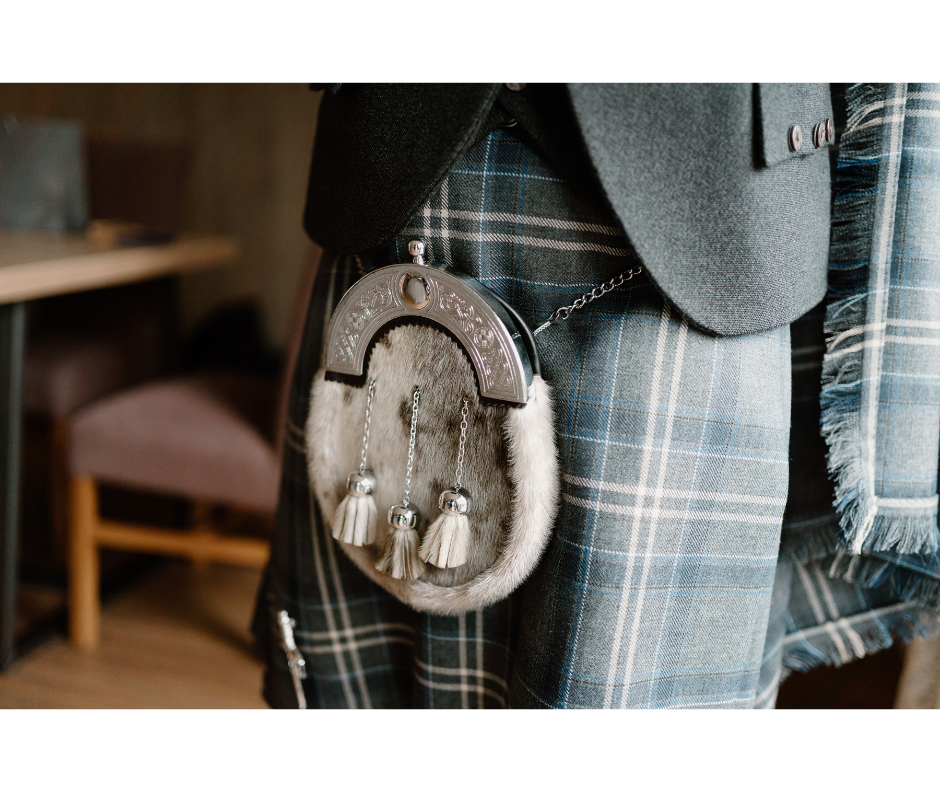
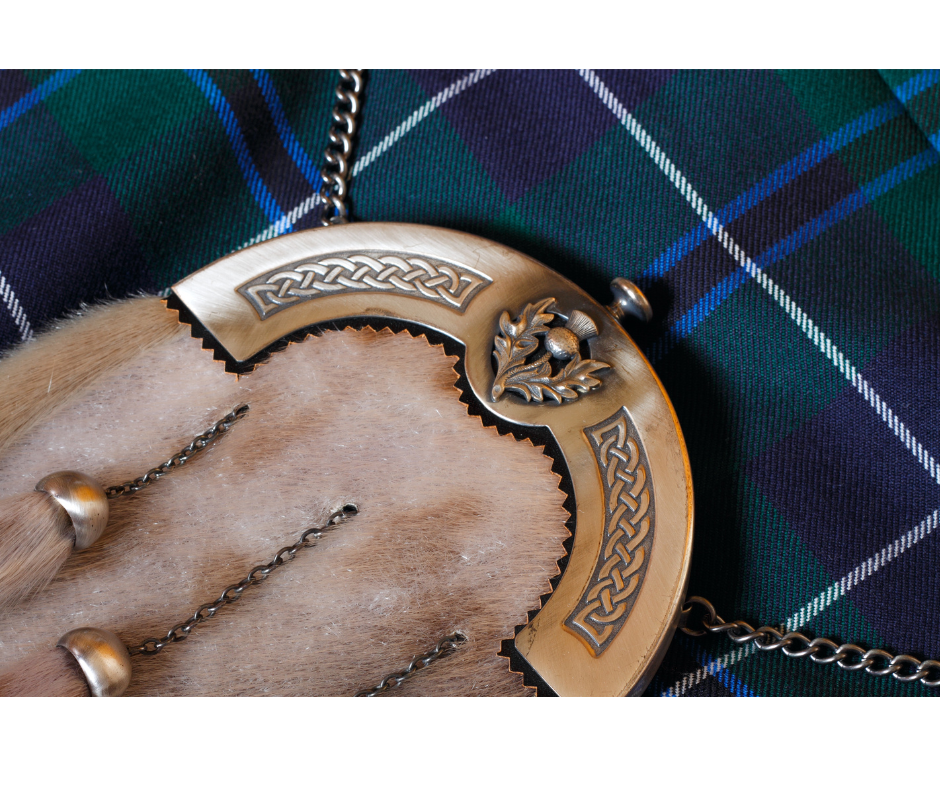
Sporran – The essential kilt pouch. Think of it as a very stylish man-bag, perfect for holding wedding day essentials (like a hip flask for courage).
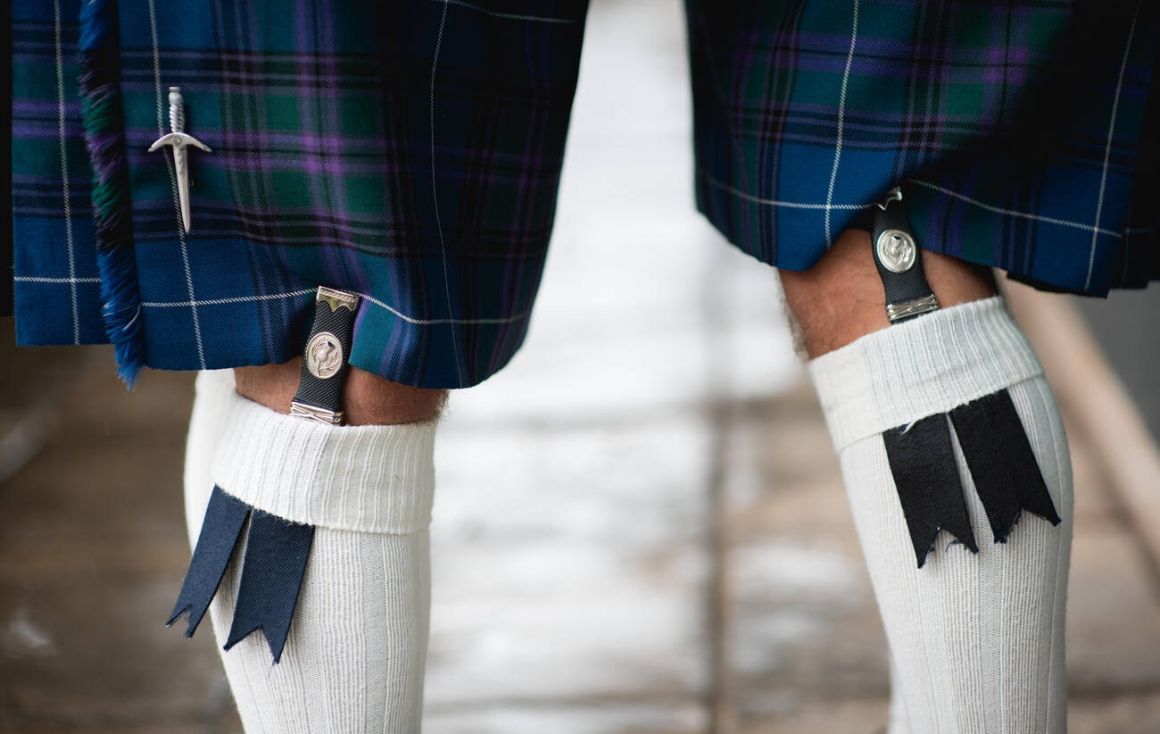
Flashes – These are the little colored strips of fabric that stick out from your kilt hose (socks). They add a pop of color and help keep your socks up—because no one wants to see a groom awkwardly pulling his socks up mid-ceremony.
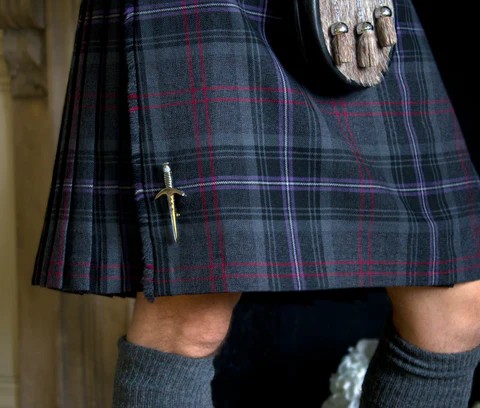
Kilt Pin – A decorative (but functional) accessory that adds weight to the front apron of your kilt to prevent any unexpected wind-related mishaps.
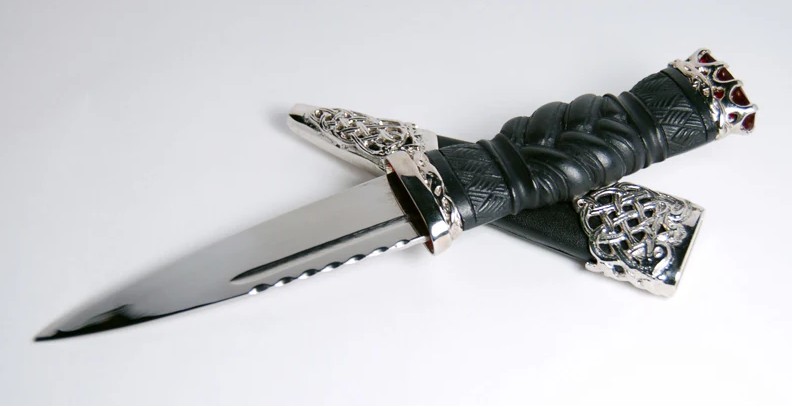
Sgian Dubh – The small ceremonial knife traditionally tucked into the sock. It’s mostly for show these days, so maybe don’t brandish it during the speeches.
And finally, let’s talk about shoes, because your guests will definitely be looking at them—especially when you take to the dance floor.
The Shoes: Why Ghillie Brogues Are a Must

The Perfect Finishing Touch for Your Highland Look
A well-dressed groom in a kilt needs the right footwear to complete the look. Enter ghillie brogues—the traditional Scottish shoes designed specifically to complement Highland dress. Unlike standard dress shoes, they feature an open-laced design with long laces that wrap around the ankles, adding both style and authenticity to your outfit.

Why Choose Ghillie Brogues?
Steeped in Tradition – Worn for centuries with kilts, ghillie brogues are the finishing touch that makes your outfit look authentically Scottish.

Refined & Distinctive – Their intricate design and signature long laces add a Highland-inspired elegance that regular dress shoes just can’t match.
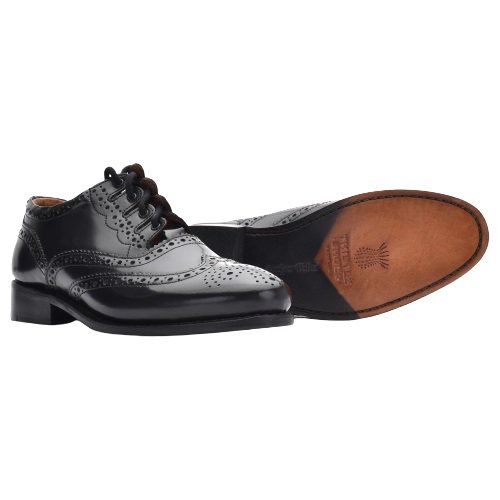
Made for Celebration – Built for flexibility and support, ghillie brogues ensure you can ceilidh the night away without slipping or tripping.

Just remember to lace them properly—nothing kills wedding confidence like stumbling on your way to the altar!

Quality Footwear from Thistle Shoes
At Thistle Shoes, we are a Scottish family-run factory based just outside Edinburgh, crafting high-quality ghillie brogues to complete your Highland outfit. We offer black and brown leather options to complement all tartans and tweed kilts.
Most of our range features the traditional leather sole with a steel quarter tip, but for those who prefer a modern twist, we also provide select styles with a rubber sole for added comfort.
Looking for a military-inspired option? We also offer buckle brogues, designed to be worn with trews instead of the standard laced versions.
Whatever Your Style, We Have the Perfect Pair!

Wearing Your Ghillie Brogues the Right Way
You wouldn’t wear your kilt backwards (we hope), so don’t mess up your shoes either! Here’s how to get them right:
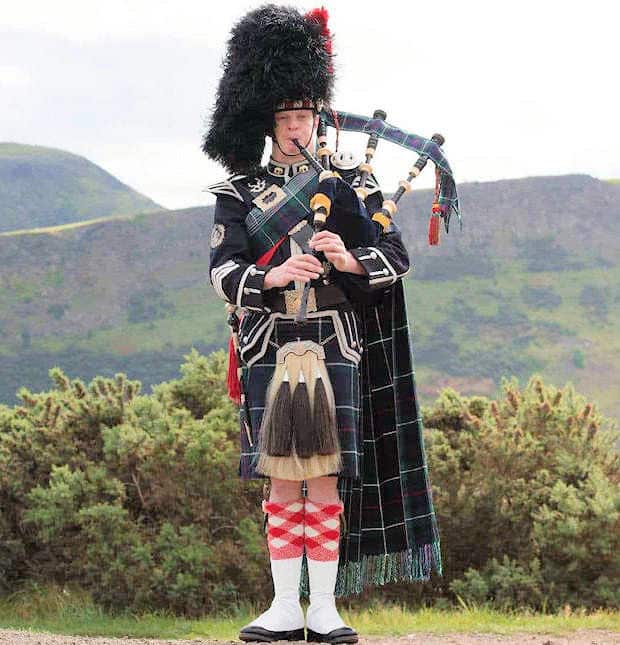
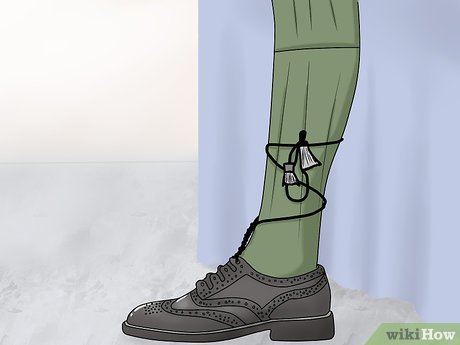
Lace Them Properly – Those long laces aren’t just for decoration! Wrap them around your ankle twice before tying them at the front or slightly to the side. Too tight and you’ll cut off circulation; too loose and they’ll come undone mid-wedding (cue embarrassing best man jokes).
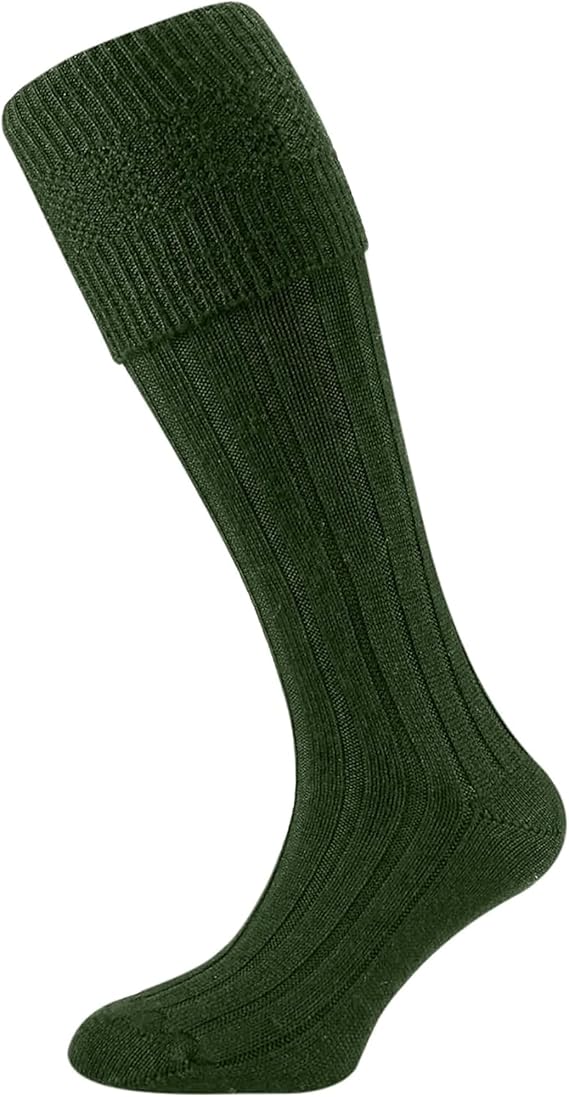
Pair Them with the Right Kilt Hose – Ghillie brogues are not meant to be worn with ankle socks—unless you want to commit a Highland fashion crime. Proper kilt hose should be pulled up just below the knee, with flashes adding a pop of color.
Break Them In Before the Big Day – The last thing you want is to be limping down the aisle because you didn’t take your new shoes for a test run. Wear them around the house, do a couple of jigs in the living room, maybe even try a practice ceilidh. Your feet will thank you later.

Walk with Confidence (and Avoid Common Kilt Mishaps!)
Wearing a kilt and ghillie brogues is an art. Here’s how to avoid common pitfalls
Mind the Laces – If you don’t tie them properly, you’ll be tripping over them before the first dance. (And let’s be honest—your wedding video will immortalize the moment forever.)
Perfect the Kilt Sit – When sitting, remember to sweep the kilt under you unless you want to give your guests an unexpected show.
Own the Dance floor – Ghillie brogues are made for ceilidhs, but if you’re new to Scottish dancing, maybe take a crash course. The Gay Gordon’s should be fun, not a hazard.

Final Thoughts: The Right Shoes Make the Man
Your kilt outfit is only as good as the shoes that go with it. A cheap pair of ill-fitting brogues can ruin your whole look (and your feet). Invest in a high-quality pair of ghillie brogues, and you’ll not only look the part but also feel comfortable from “I do” to the last ceilidh dance of the night.
Looking for the perfect ghillie brogues for your wedding? We’ve got you covered—shop our collection of traditional Scottish shoes and step into your big day with confidence!
(And remember tie those laces properly!)
