

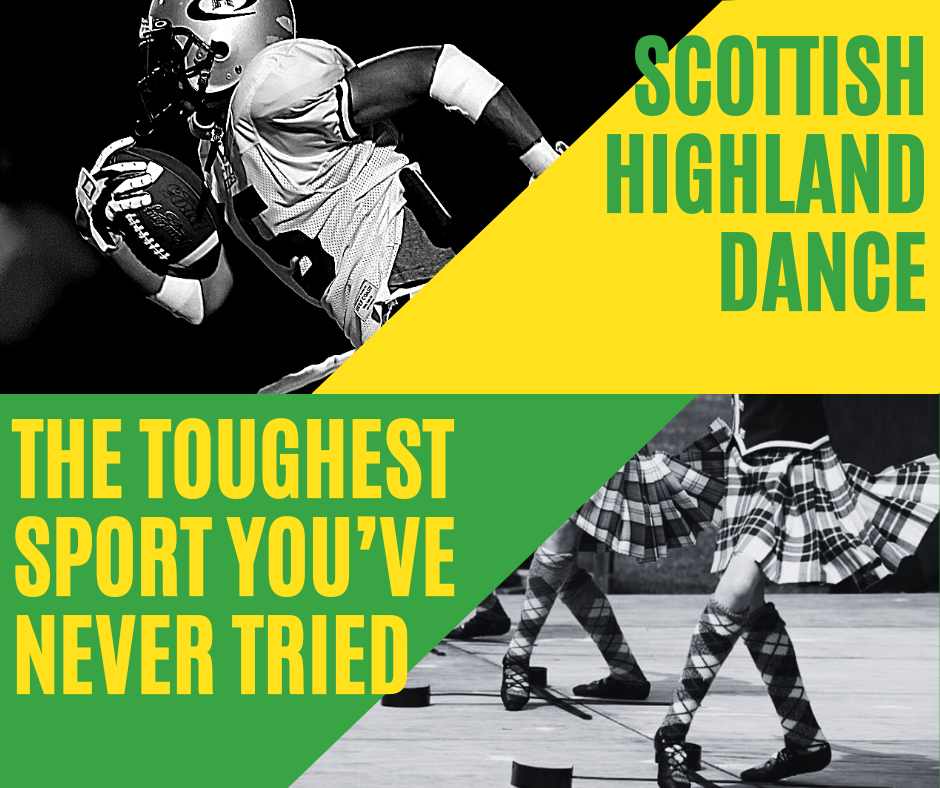
Step into a training that was forged on battlefields — not in gyms
When people think of sport, they imagine football pitches, rugby fields, or running tracks. They think of jerseys, sweat, and grit. Rarely do they picture kilts, bagpipes, or pointed toes.
But here’s the truth: Highland dance is one of the toughest, most demanding athletic disciplines in the world.
Born on the battlefield and shaped by warriors, Highland dance still pushes athletes to their physical limits today. Yet too often, it’s misunderstood — dismissed as performance instead of sport, overlooked as “for girls,” or simply ignored by athletes searching for ways to build strength and stamina.
It’s time to change the story.
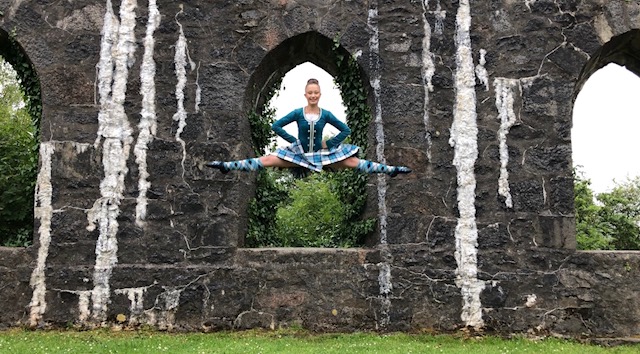
The Problem: Misunderstanding Highland Dance
Highland dance has long been sidelined as art rather than recognized as sport. For many, it’s treated as an extracurricular activity — not a serious athletic pursuit. That perception has consequences:
Dancers are undervalued for their training and sacrifice.
Boys and men are discouraged from joining, leaving the tradition unbalanced.
Athletes in other sports miss out on one of the best cross-training systems around.
Highland dancers train like athletes. They sweat like athletes. They sacrifice like athletes. But too often, they are not seen as athletes.
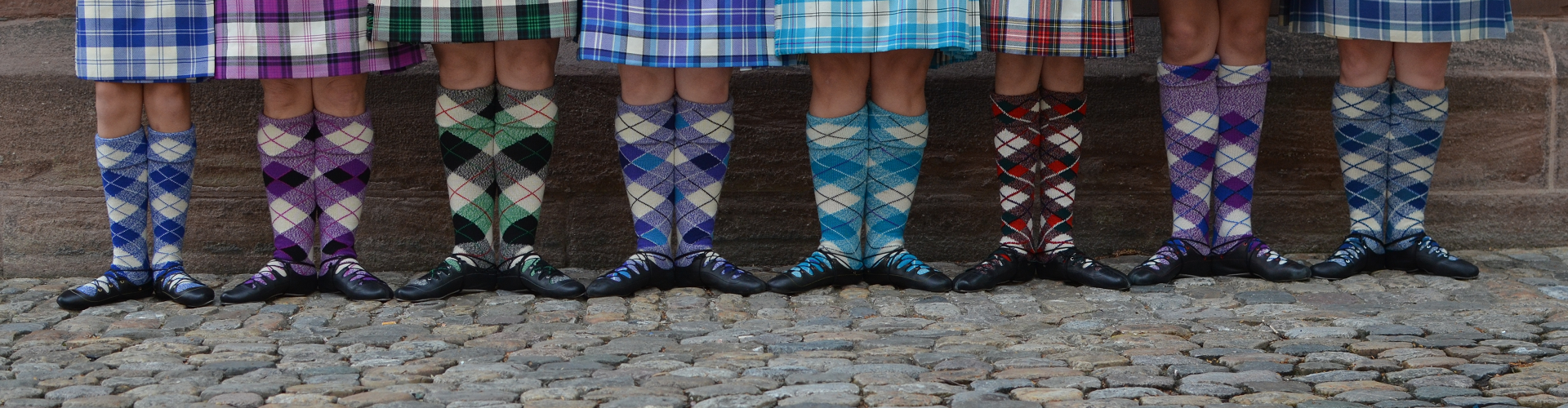
Why Highland Dance Is One of the Toughest Sports
Highland dance was never meant to be easy. Its origins are proof enough.
The Sword Dance was once a victory ritual, demanding precision under exhaustion. The Highland Fling tested balance and stamina. The Seann Triubhas required endurance and agility. These weren’t performances — they were trials of strength.
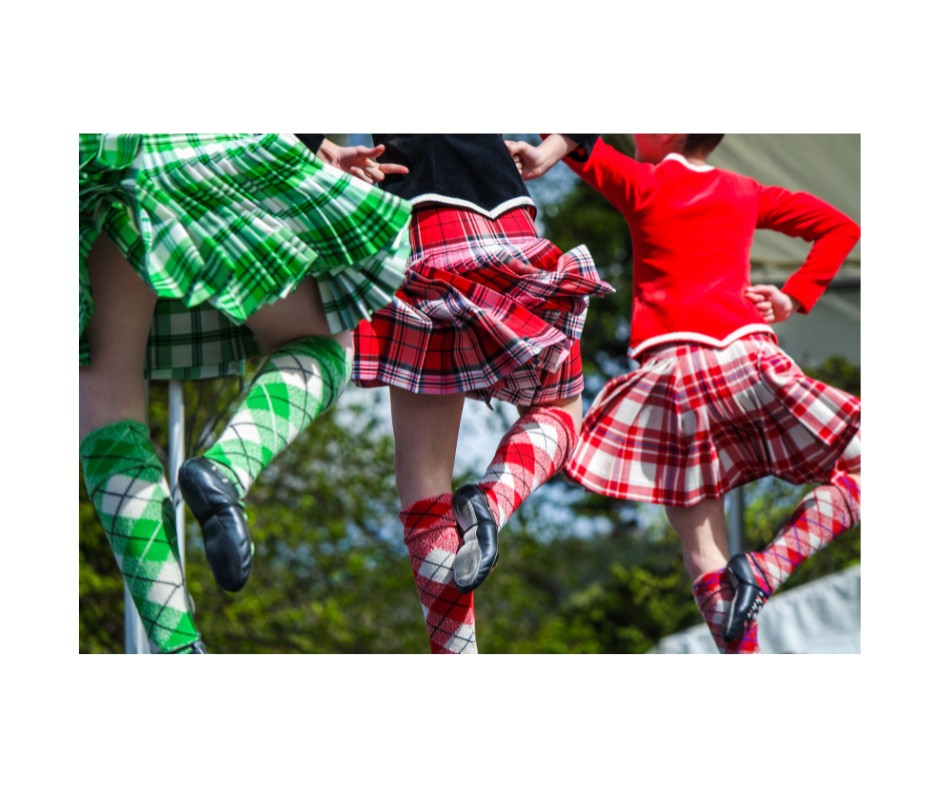
That same intensity lives on today. Competitive dancers push through four rounds back-to-back, with no breaks for recovery. Their leaps demand explosive power. Their posture requires a steel core. Their footwork is relentless.
If this isn’t sport, what is?
The stamina, strength, and mental grit needed to succeed in Highland dance rival anything seen in mainstream athletics. The difference is only perception.
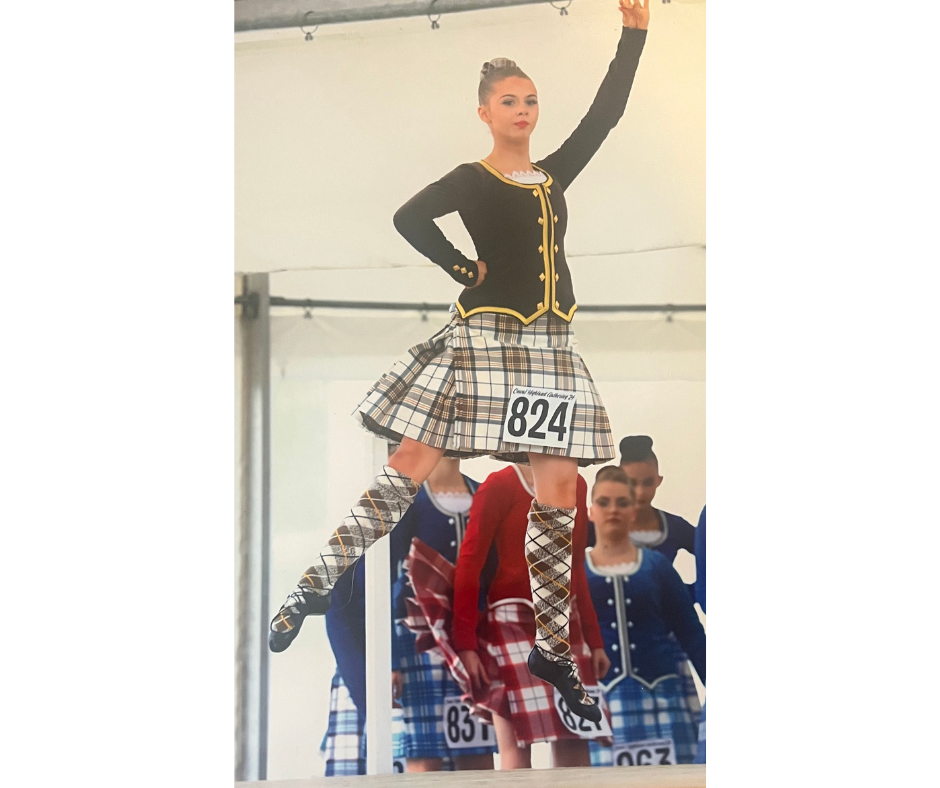
Why Every Athlete Should Train Like a Highland Dancer
Athletes are always searching for an edge. They cross-train in martial arts, gymnastics, or yoga. But Highland dance rarely makes the list — and that’s a mistake.
Highland dance develops qualities every athlete needs:
Explosive power – leaps and sharp knee action build the same fast-twitch strength as sprinting.
Endurance – sustaining high-intensity movement under fatigue improves cardiovascular capacity.
Balance and core strength – strict posture and precision transfer directly into improved performance.
Mental toughness – executing perfect technique while exhausted prepares athletes for competition pressure.
For footballers, gymnasts, runners, or martial artists, Highland dance isn’t “extra.” It’s training that builds resilience, agility, and strength in ways weights or drills alone can’t.
When athletes respect Highland dance as sport, everyone wins: athletes gain new tools, and the tradition gains visibility and strength.
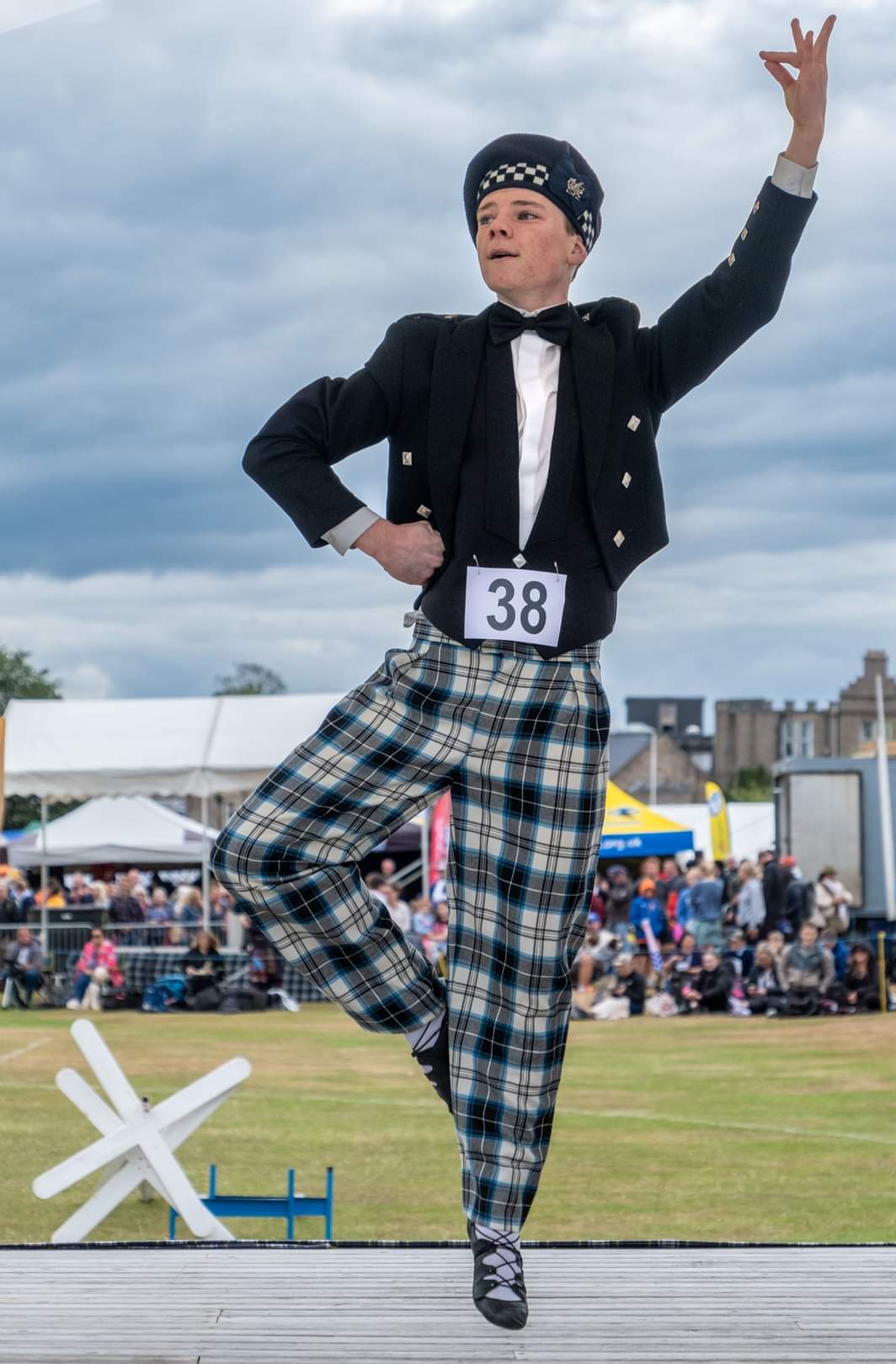
Breaking Stereotypes: Redefining Masculinity Through Dance
Another barrier holding Highland dance back is gender stereotype. In many parts of the world, the sport is dominated by women. Somewhere along the way, Highland dance was mislabeled as “for girls.”
But this idea is false — and damaging.
Highland dance was created by men, for men, as a warrior’s pursuit. It demands power, stamina, and grit. When men step onto the stage today, they carry that tradition forward. Their presence showcases explosive athleticism, inspires boys to join, and restores balance to the community.
Beyond the sport itself, their participation challenges narrow views of masculinity. Strength isn’t limited to the rugby field or boxing ring. Courage isn’t only about tackling an opponent. Sometimes it’s about stepping into a centuries-old tradition, mastering its discipline, and showing the world what strength really means.
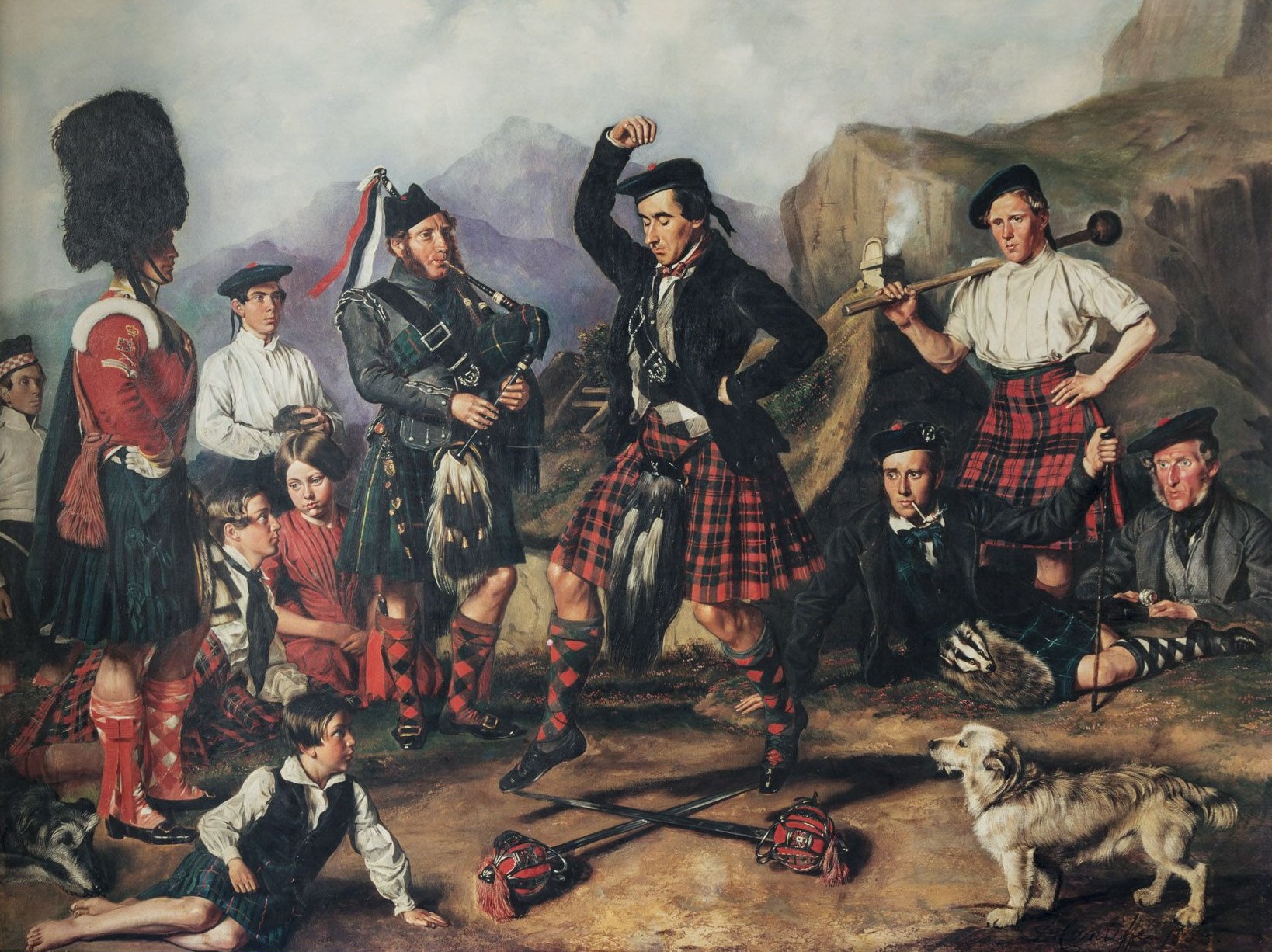
Highland dance isn’t soft. It isn’t secondary. It’s athleticism at its finest — and masculinity at its most expansive.
What We Can Do ?
Changing the story takes action.
Dancers: Own your identity as athletes. Train and speak with the seriousness of competitors.
Parents: Encourage both sons and daughters to take part. The discipline and fitness they’ll gain will serve them in every area of life.
Coaches: Integrate sports science and strength training into programs. Position students as athletes, not just performers.
Communities: Showcase Highland dance alongside traditional sports. Celebrate it for the athleticism it truly is.
The more we highlight Highland dance as a sport, the stronger it becomes — in reputation, participation, and respect.

How to Invite Athletes to Try Highland Dance
Want to bridge the gap? Here’s how to frame Highland dance as a workout for different athletes:
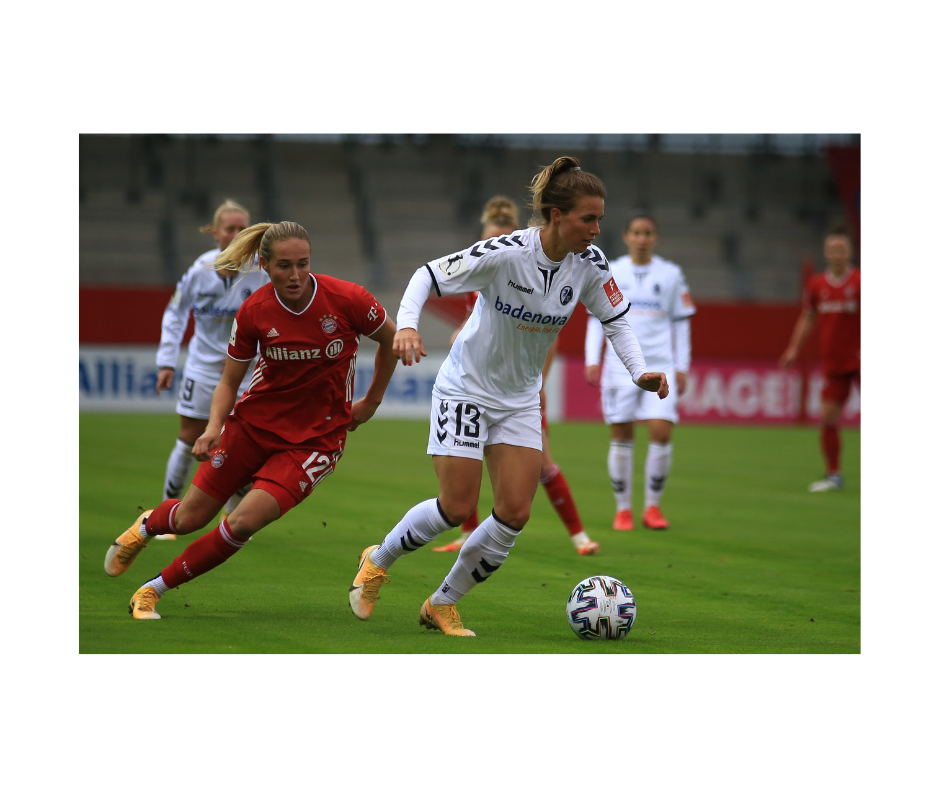
For Footballers & Rugby Players
Frame it as the ultimate agility and stamina test: “Think you can power through 90 minutes? Try four consecutive Highland dances with no recovery.”
Emphasize footwork: the same precision that lets them dodge tackles sharpens through Highland steps.
Pitch it as injury prevention: balance and core strength protect knees and ankles.
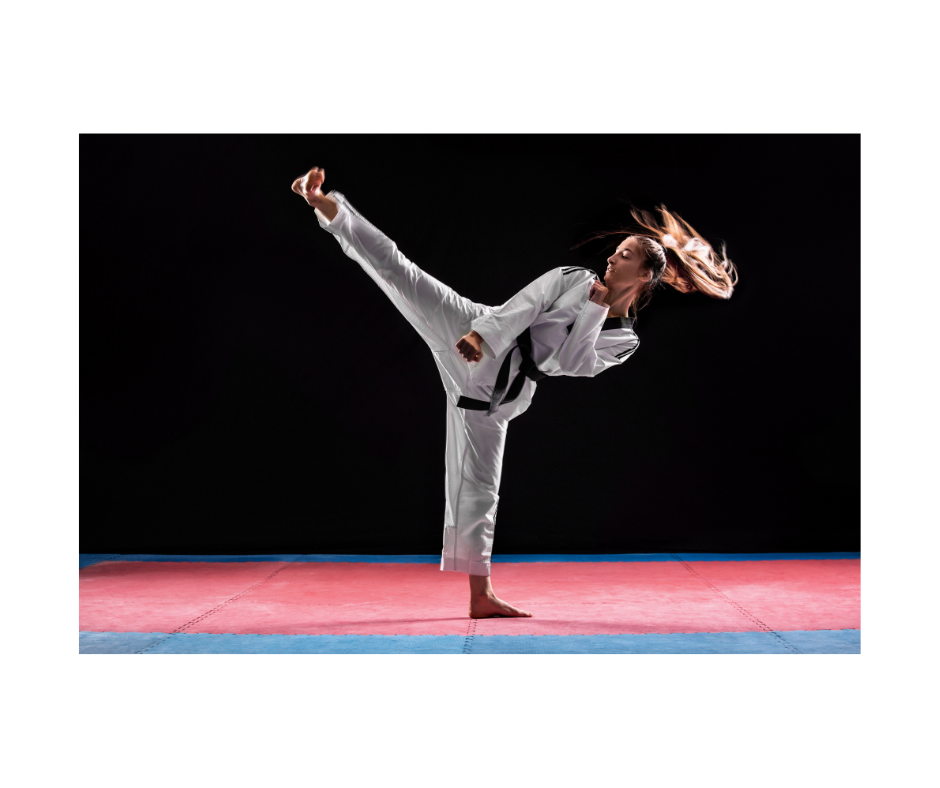
For Martial Artists
Highlight discipline: “Just like a Kata, Highland dance demands focus, control, and execution under fatigue.”
Draw parallels with explosive kicks and strikes.
Stress tradition: both martial arts and Highland dance carry warrior roots.
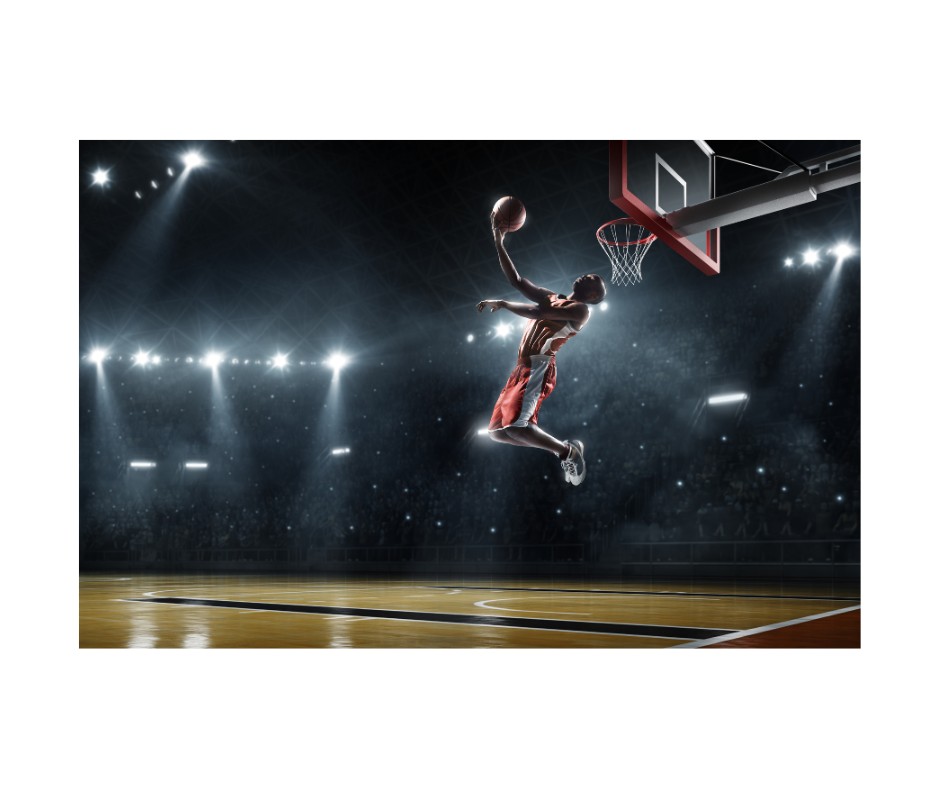
For Basketball Players
Emphasize vertical jump training: leaps develop spring for rebounding and dunking.
Highlight agility: constant direction changes sharpen reaction speed.
Sell endurance: multiple dances mimic fourth-quarter intensity.
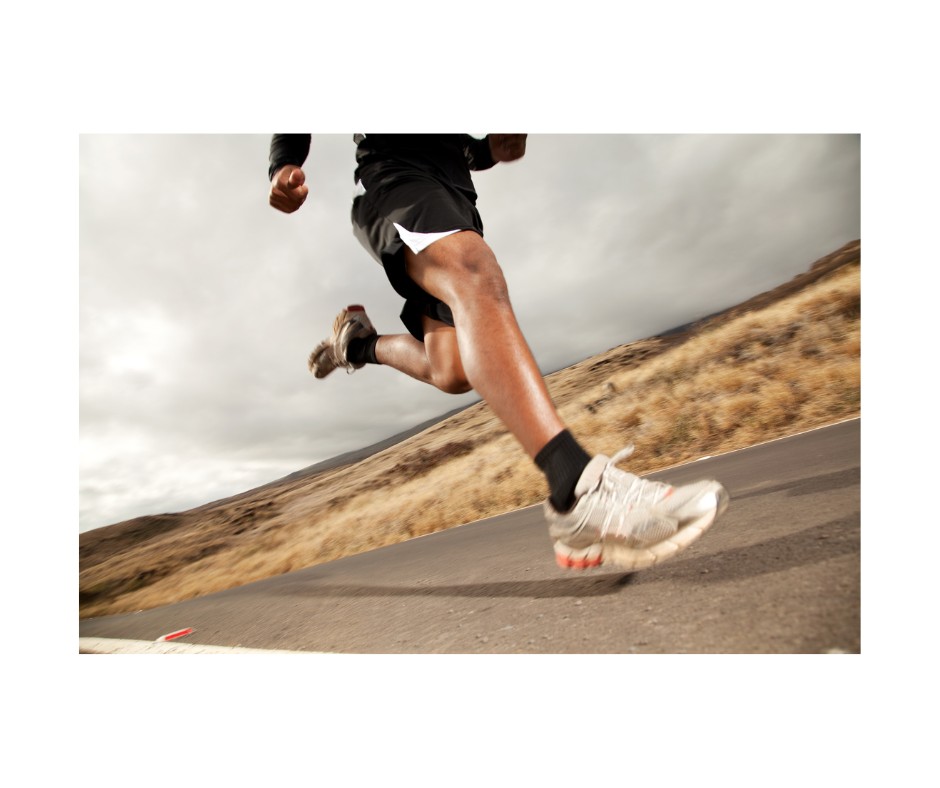
For Runners & Endurance Athletes
Frame it as HIIT before HIIT existed: short bursts of power with sustained effort.
Show how it builds stamina while challenging muscles in new ways.

For Everyone
Frame it as a challenge: “You think you’re fit? Prove it. Try one Highland dance workout and see if you can keep up.”
Use warrior language: “Step into a training system forged on battlefields — not in gyms.”
Conclusion
Highland dance is not a pastime. It’s not just art. It’s one of the toughest sports you’ve never tried.
It builds stamina like a runner, power like a sprinter, balance like a gymnast, and resilience like a fighter. It challenges stereotypes, redefines masculinity, and connects us to a warrior’s tradition that still thrives today.
It’s time to stop underestimating Highland dance — and start seeing it for what it truly is: an elite sport, demanding, inspiring, and alive with strength.