
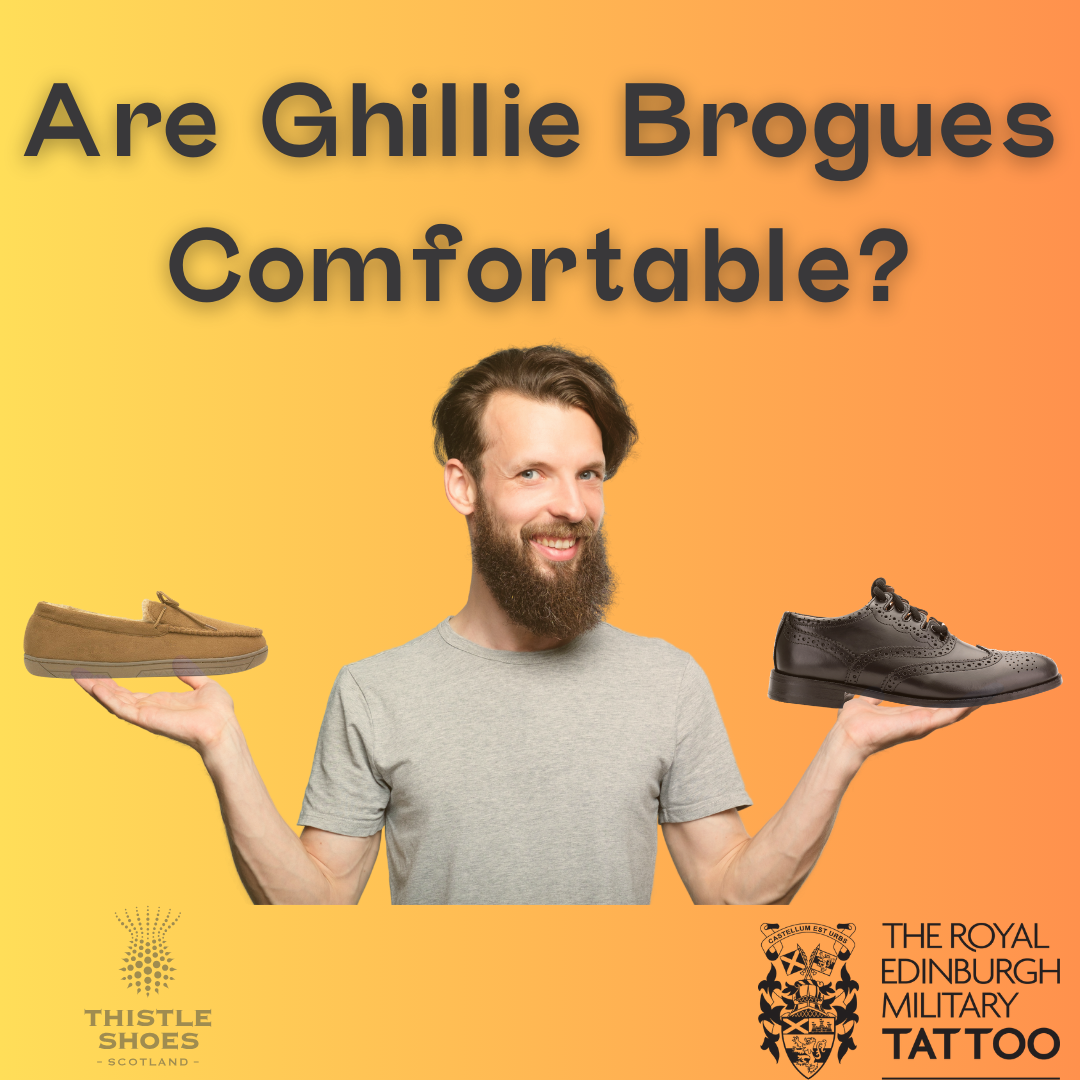
What to Know Before You Buy your first Ghillie Brogues
If you’re preparing to wear traditional Highland dress for the first time—whether for a wedding, ceilidh, or formal Scottish event—you’ve likely asked yourself:
“Are ghillie brogues actually comfortable?”
It’s a fair question. With their long laces, no tongue, and sturdy leather, ghillie brogues don’t look—or feel—like your average pair of dress shoes. But don’t worry. This guide breaks down everything you need to know about ghillie brogue comfort, how to wear them properly, and how to choose the right pair for long-lasting ease and style.
What Else Are Ghillie Brogues Called? Alternative Names You Should Know
While “ghillie brogues” is the traditional term, there are plenty of alternative names people use—especially when searching online or shopping for kilt accessories. If you’re trying to sound more in-the-know, here are some popular variations and what they mean:
Scottish Brogues – A simple, global-friendly term that resonates with anyone unfamiliar with “ghillie.” Perfect for first-time buyers looking for Scottish footwear.
Highland Brogues -Emphasizes their deep roots in Highland dress tradition. Ideal for those dressing for formal occasions like weddings, Burns Night, or ceilidhs.
Kilt Shoes -This casual term is popular among wedding guests, grooms, and online shoppers.
Ghillie Dress Shoes -Combining elegance and tradition.
Traditional Scottish Footwear – A broader category term.
Lace-Up Highland Shoes -A helpful term for audiences who don’t yet know what a “brogue” or “ghillie” is. Focuses on the iconic ankle-wrapping laces.
Scottish Formal Shoes – Often used by those shopping for events like weddings, graduations, or banquets.
Ghillie Lace Shoes – A name that highlights their most unique design feature—the crisscross laces tied around the ankle or calf.
Ceilidh Shoes -Fun and lively, this term appeals to dancers and party-goers.
Heritage Brogues – A luxury-inspired term that adds a sense of timeless craftsmanship.
What Makes Ghillie Brogues Different?
Before discussing comfort, it’s important to understand what sets ghillie brogues apart—and why they’re an essential part of authentic Highland attire.
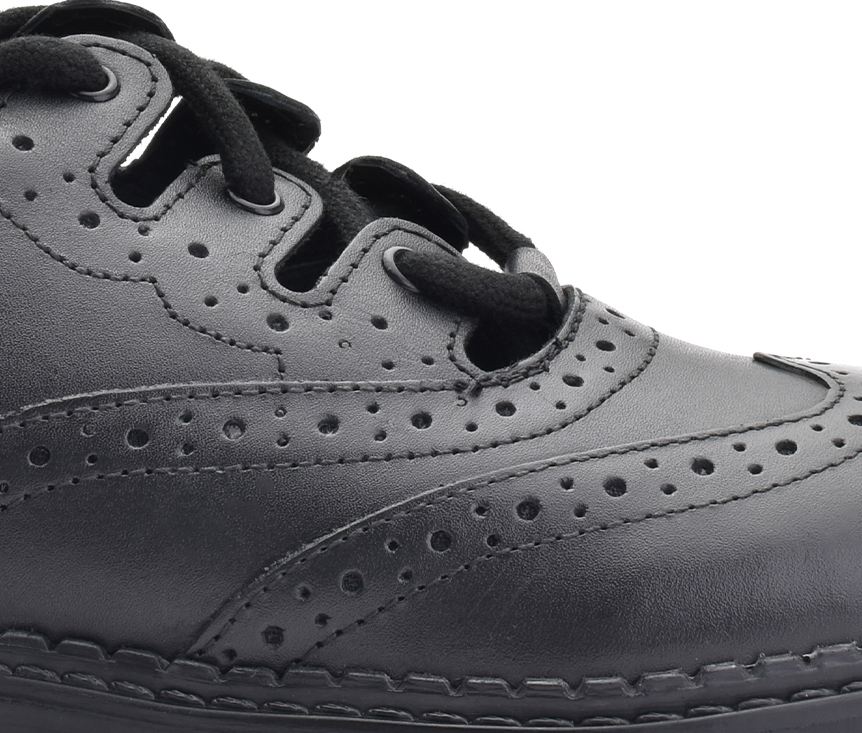
- No Tongue: Originally designed this way to dry quickly in wet Scottish weather.
- Long Wraparound Laces: Tied around the ankle or calf for a secure fit and traditional look.
- Decorative Broguing: Perforations once allowed water to drain—now a mark of Scottish style.
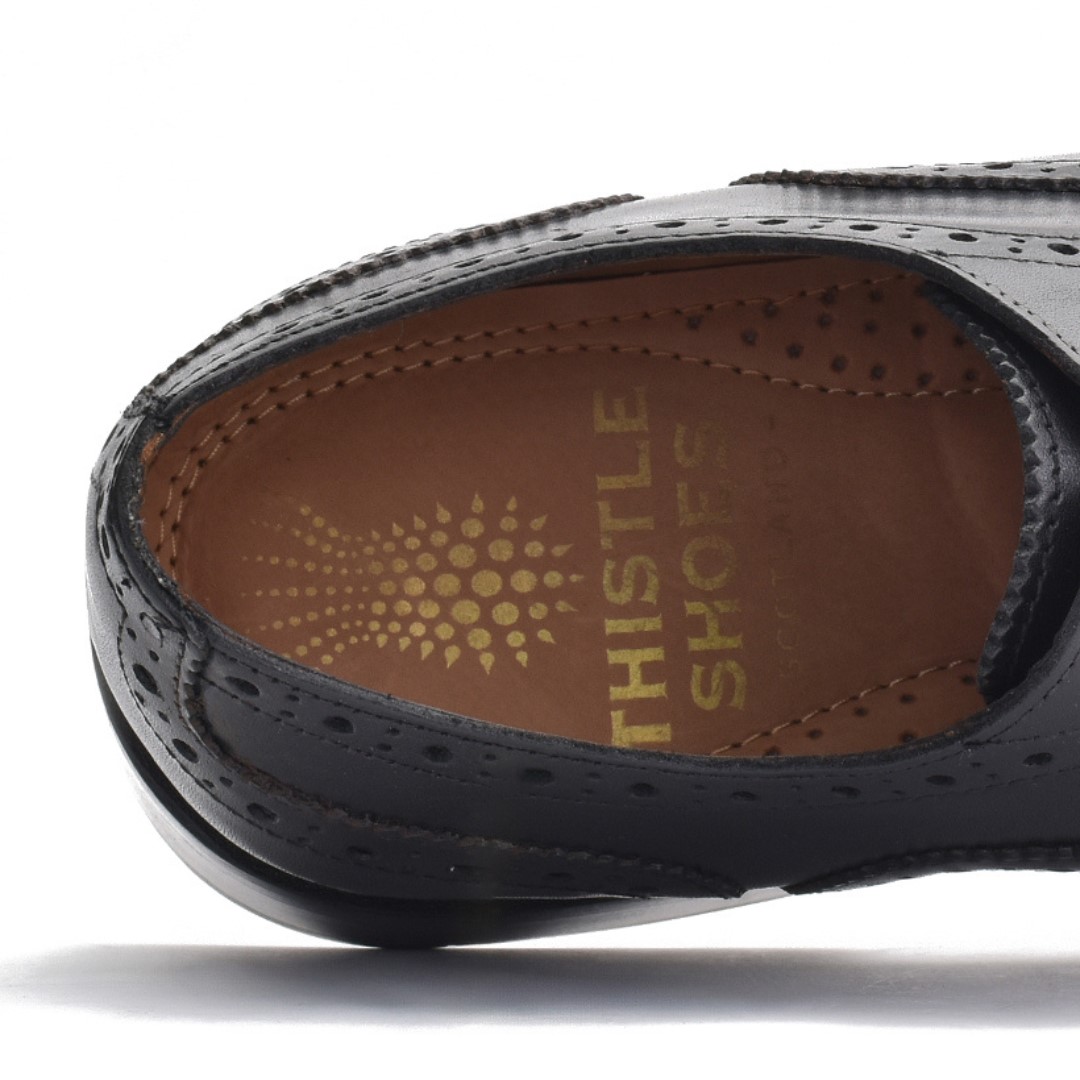
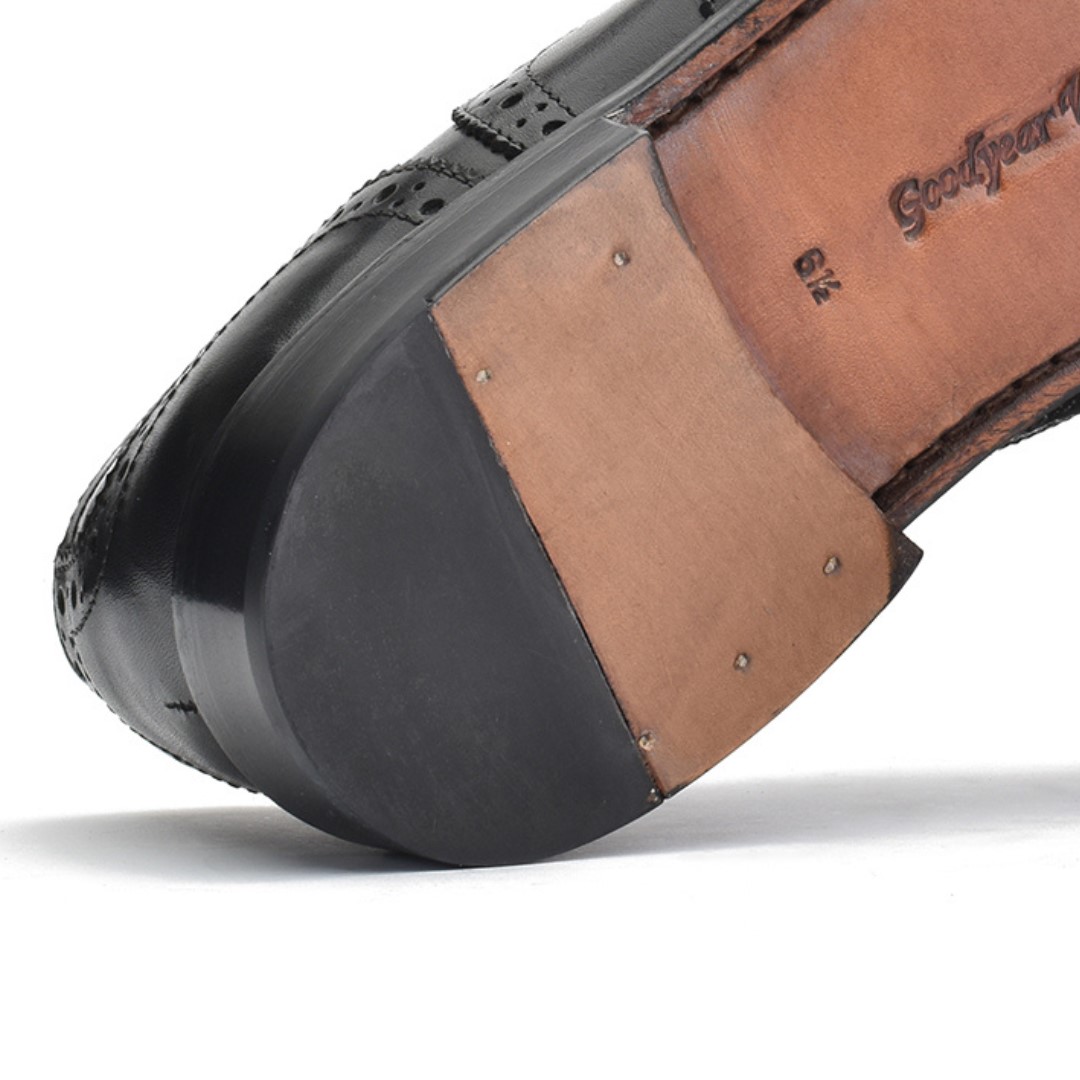
- Hard Leather Construction: Built to last, but takes time to soften and adapt to your feet.
These unique features give ghillie brogues their timeless character—and their initial stiffness. But with proper wear, they’re not just traditional—they’re comfortable too.
Are Ghillie Brogues Comfortable? Yes—If You Wear Them the Right Way
Here’s the truth: ghillie brogues can be very comfortable, but they require the right fit, break-in time, and lacing technique. Once properly worn in, many find them to be secure, supportive, and ideal for long events.
So how do you ensure comfort from the start?
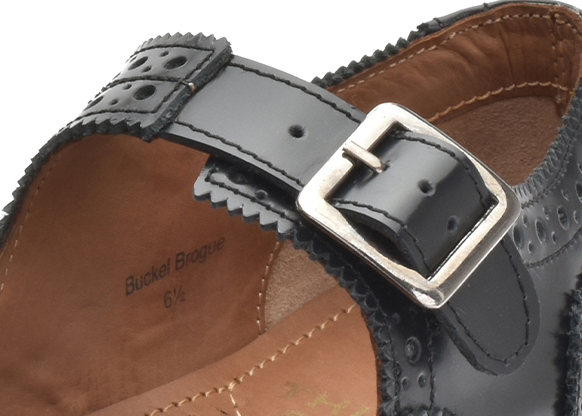
1. Get the Right Fit: Sizing Tips for Ghillie Brogues
Fit is everything. Since ghillie brogues are made from firm leather and often unlined, poor sizing can lead to discomfort. Here’s what to check:
- Snug Heel & Mid-foot: Your foot should feel secure, not squeezed.
- Spacious Toe Box: Toes should move freely—no pressure on the front.
- Supportive Base: Add a cushioned insole if you need more arch support.
Pro Tip: Try them on with kilt hose (the same socks you’ll wear at your event) for an accurate fit.
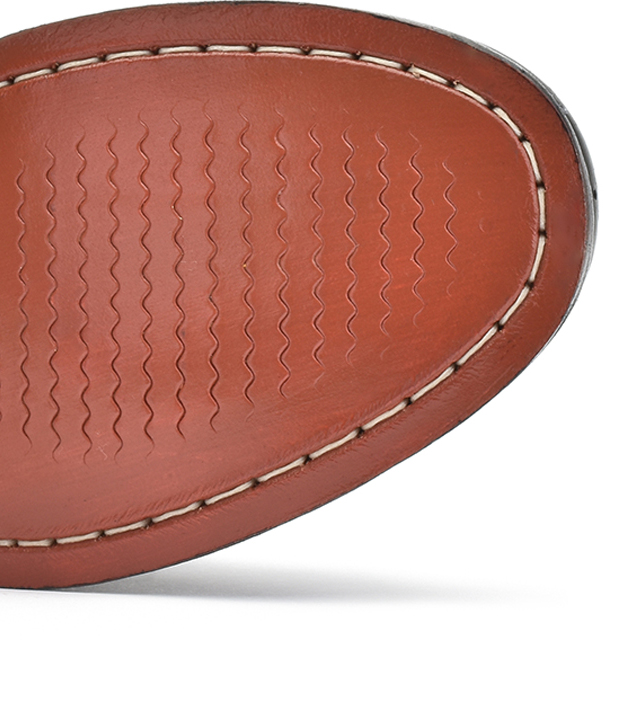
2. Break Them In Before the Big Day
Don’t expect them to feel like trainers out of the box—ghillie brogues need a little breaking in.
How to Soften Them Up:
- Wear them for short walks a few times before your event.
- Use leather conditioner or softener spray to ease stiffness.
- Choose quality socks to reduce friction and prevent blisters.
Give yourself at least a week or two of occasional wear to break them in properly.
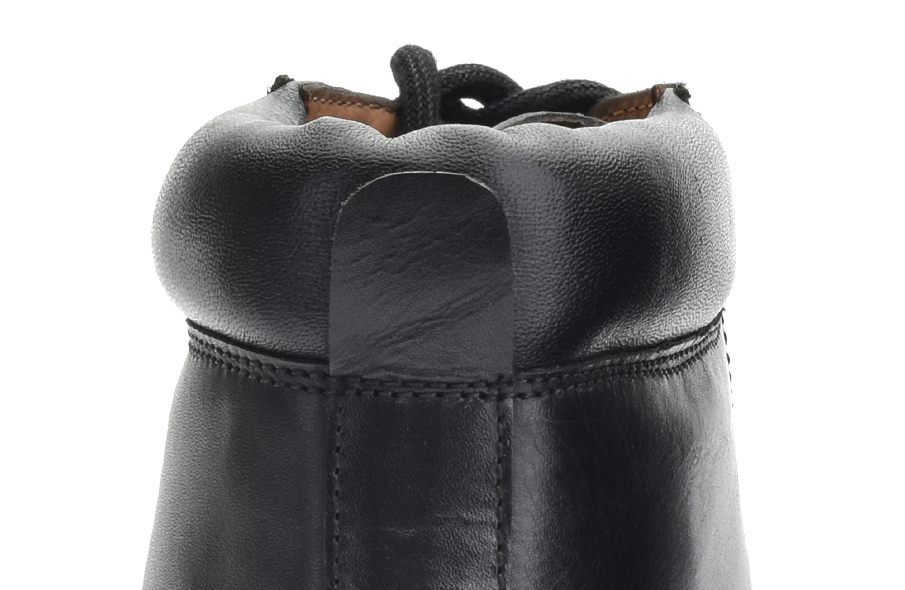
3. Master the Art of Lacing Ghillie Brogues
Improper lacing is one of the top causes of discomfort. Done right, it boosts both comfort and style.
How to Lace for Comfort & Style:
- Wrap laces around your ankle 2–3 times snugly—but not tight.
- Tie just below the calf (not on the shin or behind the knee).
- Let the tassels hang evenly for a polished finish.
Avoid:
- Tying too tightly (cuts circulation)
- Uneven laces or dragging tassels (trip hazard + untidy look)
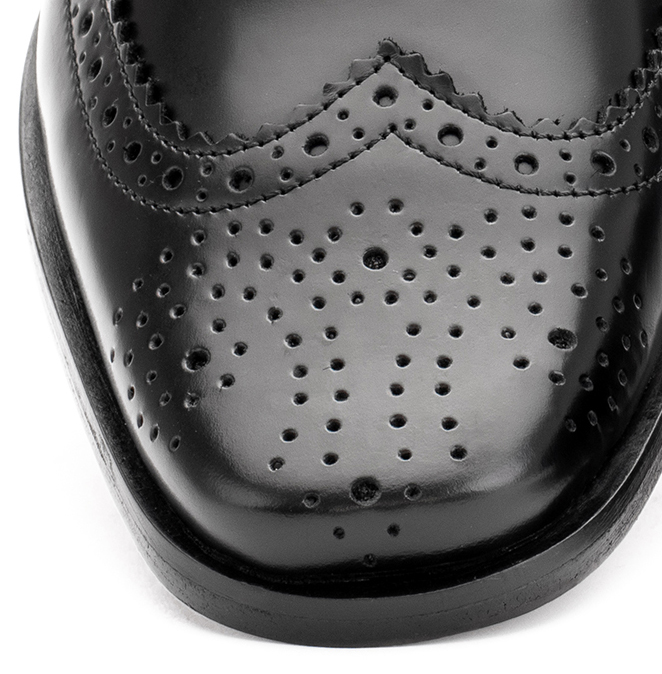
Choose the Right Ghillie Brogues for Maximum Comfort
Not all ghillie brogues are made the same. If you’re standing or dancing all day, these features make a big difference:
- Cushioned Insoles: For shock absorption and arch support.
- Breathable Lining: Keeps feet dry and fresh.
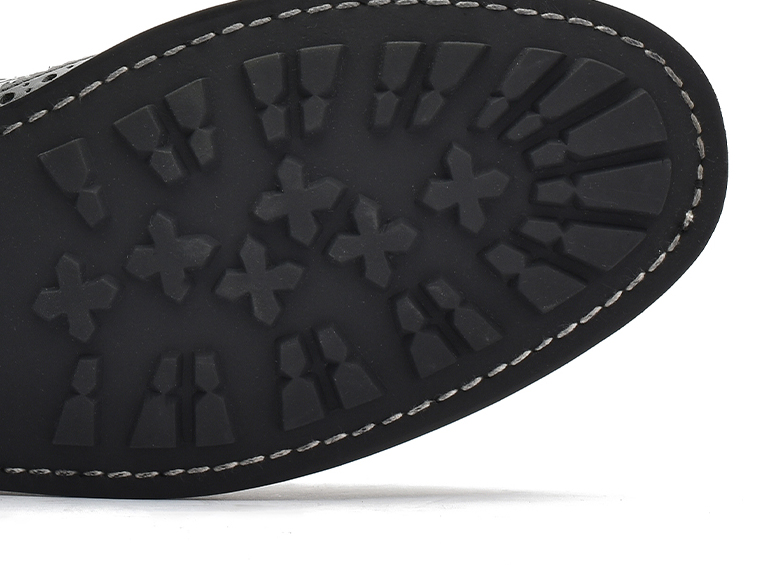
- Rubber or Flexible Soles: Provide better grip and comfort on modern surfaces.
- Lightweight Construction: Reduces fatigue over time.
Tip: Don’t be tempted by cheap, costume-grade shoes. High-quality ghillie brogues pay off in both comfort and longevity.
Maintain Your Ghillie Brogues for Long-Term Comfort & Style
Proper care keeps your brogues not only looking sharp but feeling great for years to come.
Essential Maintenance Tips:
- Use Cedar Shoe Trees – Preserve shape and absorb moisture.
- Polish Regularly – Nourish leather and maintain shine.
- Store in a Cool, Dry Place – Prevent cracking and mold.
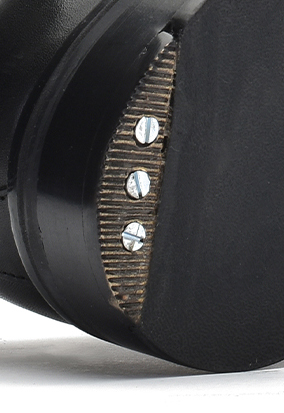
- Replace Worn Laces or Soles Early – Avoid discomfort or damage from wear.
Consistent care means you’ll always be ready to step into any celebration in style.
Final Verdict: Ghillie Brogues Are Comfortable—When Worn Right
So, are ghillie brogues comfortable? Absolutely—when you choose the right pair, break them in properly, and lace them correctly. They’re a fusion of heritage, durability, and style, built for Scottish tradition and designed to last.

Ready to Step Into Tradition?
Browse our handcrafted Ghillie Brogues Collection and find your perfect fit. Whether you’re preparing for a wedding, ceilidh, or formal Highland gathering, our shoes are made for style, comfort, and legacy.
