
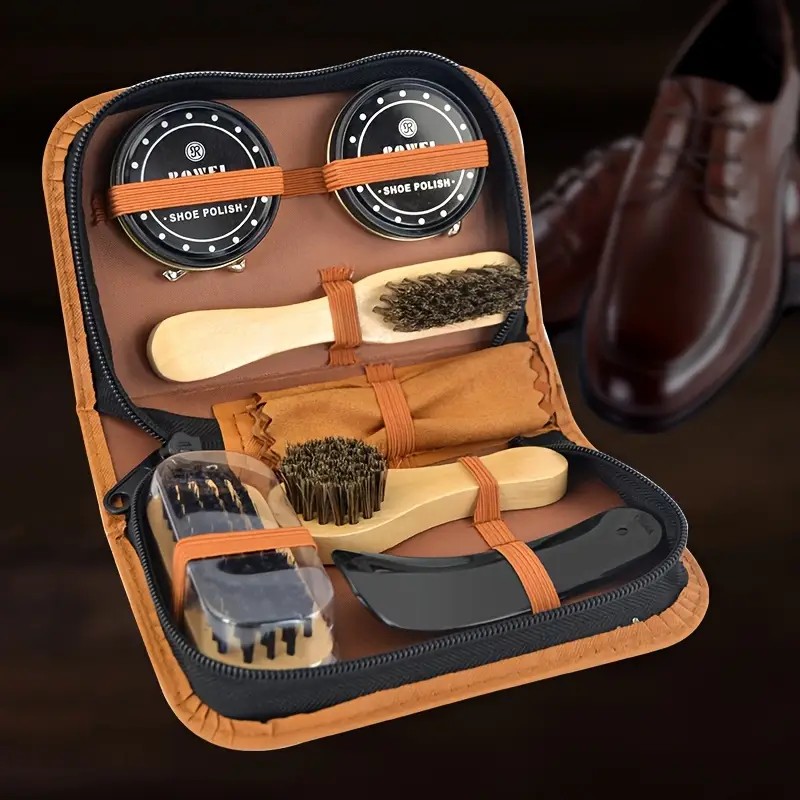
Preserve Your Highland Pride, One Step at a Time
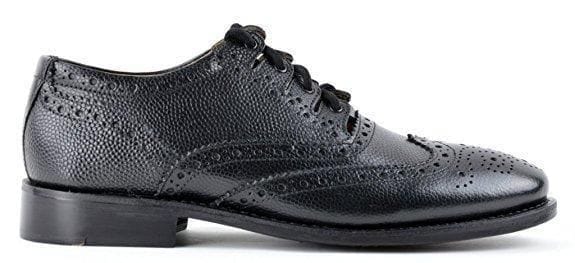
When assembling your traditional Highland dress, few elements command as much visual impact, cultural significance, and time-honored tradition as the Ghillie Brogue. These distinctive Scottish shoes, instantly recognizable by their open lacing system and long leather ties, are far more than a finishing touch—they’re a statement of heritage. A well-crafted pair of ghillie brogues not only complements your kilt, sporran, and jacket but also serves as a proud nod to centuries of Highland craftsmanship and ceremonial dress.
Worn for everything from weddings, ceilidhs, and graduations to formal dinners and Burns Night celebrations, Ghillie Brogue shoes bridge the gap between elegance and authenticity. Their origins date back to the rugged Scottish Highlands, where practical design met refined detailing. Today, they remain a symbol of national pride and sartorial excellence—offering both timeless style and functional durability.
But like any cherished item of traditional clothing, ghillie brogues require ongoing care to preserve their quality and appearance. Neglecting them can lead to cracked leather, broken laces, and a worn-out look that diminishes the impact of your overall outfit.
If you’re wondering how to keep your Ghillie Brogues looking sharp, feeling comfortable, and lasting for decades, you’ve come to the right place. In this ultimate care guide, we’ll walk you through everything you need to know—from daily cleaning techniques and deep conditioning routines to smart storage practices and long-term maintenance tips. Whether you wear them once a year or every weekend, these strategies will help protect your investment and ensure your brogues remain a proud part of your Highland wardrobe for generations to come.

1. How to Clean Your Ghillie Brogues the Right Way
Preserve their elegance, one step at a time.
Regular cleaning is essential for keeping your Ghillie Brogues looking sharp and structured. These traditional Scottish shoes are designed with intricate details—from decorative brogue perforations to long, elegant laces—that set them apart from standard dress shoes. But that craftsmanship also means they require a bit more attention when it comes to upkeep.
If you want your Ghillie Brogue shoes to age beautifully and maintain their timeless appeal, it all starts with a proper cleaning routine. Here’s how to do it step by step:

Remove Surface Dirt After Each Wear
Every time you wear your ghillie brogues, especially at outdoor events like Highland games or rustic weddings, they’re exposed to dirt, dust, grass, and mud. Left unchecked, these particles can damage the leather over time.
- Use a soft-bristled brush to gently sweep away loose dirt and debris. A toothbrush works well for reaching tight spots.
- For more stubborn spots, a lightly damp cloth (not soaked) will help lift grime without over-saturating the leather.
- Pay close attention to the brogue holes (the decorative perforations) and around the welt—these areas often collect hidden dirt and moisture, which can degrade stitching and leather.
This quick wipe-down takes only a minute or two and goes a long way toward maintaining the leather’s health and luster.

Monthly Deep Cleaning for Lasting Quality
Once a month—or more frequently if you’ve been wearing your ghillie brogues often—your shoes deserve a deeper clean to remove built-up oils, salt, and grime that daily wiping won’t catch.
- Start by using a leather-specific cleaner or traditional saddle soap. Avoid all-purpose household cleaners, as they can dry out or stain leather.
- Apply the cleaner using a clean sponge or soft cloth. Use gentle circular motions, covering the entire surface without over-saturating the material.
- Rinse the cloth and go over the shoe again with clean water (not soaked!) to remove excess product.
- Allow your ghillie brogues to air dry naturally—never use a hairdryer or heater, as this can cause the leather to crack or warp.
If your ghillie brogues have a leather sole, avoid soaking the bottom. Leather soles can weaken or deform when overly saturated.

Don’t Forget to Clean the Signature Long Laces
One of the most recognizable features of the Ghillie Brogue is its long, wraparound laces. But these laces, often made from leather or waxed cord, also gather dirt and oils just like the shoes themselves.
- Unlace your shoes fully before cleaning to make the process easier and more thorough.
- Wipe down the laces with a damp cloth or sponge. If they’re particularly dirty or sticky, a quick soak in lukewarm water with a bit of mild soap will do the trick.
- Rinse thoroughly and lay flat to air dry—never put them in a dryer or use heat, as this may cause shrinkage or damage.
For leather laces, consider rubbing in a touch of leather conditioner after cleaning to keep them supple and prevent cracking.

Why Consistent Cleaning Matters
Keeping your Ghillie Brogue shoes clean isn’t just about appearance—it’s about preserving the integrity of the leather, maintaining the structure of the shoe, and extending its overall lifespan. With consistent, mindful care, your brogues won’t just survive—they’ll look better and become more comfortable with every wear.

2. Conditioning and Polishing Your Ghillie Brogues for Long-Lasting Elegance
Cleaning your Ghillie Brogue shoes is a vital first step—but if you really want to maintain their longevity and signature shine, regular conditioning and polishing is essential. Just like your own skin, leather needs moisture, protection, and nourishment to stay healthy and resilient. Without proper conditioning, even the finest pair of ghillie brogues can dry out, crack, and lose their rich, lustrous finish.
Let’s walk through how to condition and polish your ghillie brogues the right way, ensuring they stay supple, stylish, and event-ready for years to come.

Condition the Leather to Keep It Supple
Leather is a natural material that can easily dry out—especially in cold, dry climates or after frequent use. Applying a quality leather conditioner replenishes essential oils, prevents cracking, and maintains flexibility.

How to Do It:
- Use a leather conditioner or leather balm—avoid silicone-based products or harsh chemicals that can seal the leather and trap moisture.
- Apply a small amount using a clean cloth or your fingers, working it into the leather with gentle, circular motions.
- Focus on high-stress areas like the toe box, instep, and heel, where the leather bends most.
- Allow the conditioner to soak in for at least 20–30 minutes, then gently buff with a soft, dry cloth to rem
How often?
Condition every 2–3 months or whenever the leather begins to look dull, dry, or stiff. If you wear your ghillie brogues frequently, monthly conditioning is a wise habit.
Polish to Perfection and Add Protection
Polishing isn’t just for shine—it also serves as a protective layer against moisture, scuffs, and light staining. A well-polished pair of Ghillie Brogue shoes reflects attention to detail and elevates your entire Highland ensemble.
Choosing the Right Polish:
- Use a wax-based shoe polish (not cream) for a more durable, glossy finish.
- Match the polish to your shoe color—black, oxblood, and dark brown are the most common for ghillie brogues.
- For antique or hand-finished leathers, test polish on a hidden area first to ensure color compatibility.
How to Apply Polish:
- Clean the shoes first to remove dirt or conditioner residue.
- Apply a thin layer of polish using a soft cloth or applicator brush, working in small circles.
- Let the polish dry for 10–15 minutes.
- Buff the surface with a horsehair brush or soft cloth until the leather gleams with a smooth, mirror-like shine.
Pro Tip: Don’t Forget the Details
- Edge dressing can be applied to the soles’ edges for a crisp, finished look.
- Brogue perforations should be cleaned gently with a small brush after polishing to avoid buildup.
The Conditioning & Polishing Cycle
Here’s a simple maintenance schedule:
| Task | Frequency |
|---|---|
| Light Buff & Quick Polish | After every 2–3 wears |
| Conditioning | Every 2–3 months |
| Full Polish | Monthly or as needed |
| Deep Clean & Condition | Every 4–6 months or seasonally |

3. Proper Storage: How to Store Your Ghillie Brogues the Right Way
Where and how you store your brogues is just as important as how you wear them.
After investing in a quality pair of Ghillie Brogue shoes, proper storage is crucial to keeping them in top form. Too often, people focus on cleaning and polishing but overlook what happens after the event is over. Tossing your brogues in a dark cupboard or leaving them in a damp corner can lead to permanent damage—like warped leather, weakened soles, or even mold growth.
Fortunately, with a few easy storage habits, you can ensure that your ghillie brogues retain their structure, breathe naturally, and are always ready for the next formal gathering or Highland celebration.
Let Your Ghillie Brogues Breathe After Every Wear
After a night of dancing at a ceilidh or marching in a parade, your shoes have likely absorbed moisture—whether from sweat, rain, or damp grass.
Do this:
- Remove the laces and open up the tongue to allow air to circulate through the shoe.
- Stuff the interior with newspaper, acid-free tissue paper, or even better—cedar shoe trees. These not only absorb moisture but also help maintain the shoe’s shape and prevent creasing in the leather.
- Let your ghillie brogues air dry naturally at room temperature. Avoid leaving them in a sealed bag or dark box immediately after wear.
Avoid:
- Radiators, fireplaces, or hair dryers—excessive heat can dry and crack the leather.
Store in a Breathable Environment
Once your Ghillie Brogue shoes are dry, it’s time to store them safely until the next outing.
Best Practices:
- Use a cloth shoe bag or unsealed shoe box that allows for ventilation.
- Avoid plastic containers or vacuum-sealed bags, as they trap moisture and promote mildew growth.
- Store your brogues in a cool, dry place—preferably away from direct sunlight, which can cause fading or drying.
If you’re storing them long-term (e.g., after a wedding season or Highland games), it’s worth giving them a light condition and polish before putting them away. This added layer of protection helps prevent the leather from drying out while in storage.
Consider Using Cedar Shoe Trees
Cedar shoe trees are one of the best accessories you can invest in to preserve the shape and freshness of your Ghillie Brogue shoes. Here’s why:
- They maintain the shoe’s structure, preventing creases and collapsing.
- They absorb moisture and odors naturally.
- Cedar has a fresh, clean scent and mild antibacterial properties—ideal for leather storage.
Insert cedar shoe trees immediately after each wear to get the most benefit.

Seasonal Storage Tip
If you only wear your ghillie brogues during specific times of the year (such as formal winter events or summer Highland festivals), add this to your seasonal routine:
- Before long-term storage, give your brogues a deep clean, condition, and full polish.
- Wrap them in breathable fabric or muslin and store them in a cool, stable environment.
- Check on them every few months for dryness or mildew and refresh with a polish if needed.
Why Storage Matters
Proper storage doesn’t just help your ghillie brogues look good—it ensures the structural integrity of the shoes lasts for years, or even decades. Leather, especially high-quality brogue leather, is incredibly durable—but only when it’s treated with respect.
By giving your brogues the same post-wear care and attention you give your kilt or jacket, you’re preserving a piece of cultural heritage and style that truly stands the test of time.

4. Maintenance and Repair Tips to Keep Your Ghillie Brogues Going Strong
A little upkeep goes a long way—because heritage footwear deserves heritage-level care.
A well-made pair of Ghillie Brogues is designed to last. Crafted from durable leather, sturdy soles, and time-honored construction techniques, these shoes are meant to stand the test of time. But just like any finely crafted item, they require periodic maintenance to keep them at their best.
Routine inspections and timely repairs can prevent small issues from turning into major problems—saving you money and extending the life of your Ghillie Brogue shoes for many more weddings, ceilidhs, and formal occasions.
Check the Soles Regularly
The soles of your ghillie brogues take the most wear, especially if you’re walking on pavement or dancing at events. Over time, they can thin out, crack, or separate from the upper.
What to Look For:
- Worn-out tread or smooth patches (if applicable).
- Cracking or peeling along the edges.
- A “soft” or spongy feel underfoot—a sign the leather sole may be breaking down.
What to Do:
- At the first sign of significant wear, visit a reputable cobbler. Resoling is a simple repair that can dramatically extend the life of your shoes.
- For extra durability, you may opt to add rubber protectors over leather soles without sacrificing traditional aesthetics.
Don’t Ignore the Heels
Just like the soles, the heels of Ghillie Brogue shoes can wear down unevenly, especially at the outer edge. This not only affects the look but also your posture and walking comfort.
Maintenance Tip:
- Check your heels after every few wears, especially if you notice uneven standing or clicking noises.
- Replace heels when wear is visible—don’t wait until they’re completely worn down, as this can damage the rear of the shoe and lead to costly repairs.
Replace Laces as Needed—But Stay Authentic
One of the most iconic features of a Ghillie Brogue is the long leather lacing that wraps around the ankle and ties at the front. These laces are both functional and ornamental, making them essential to the overall Highland look.
What to Watch For:
- Fraying, cracking, or splitting leather.
- Lost elasticity or stiffness that makes tying difficult.
- Visible discoloration or wear from moisture.
Replacement Tip:
- Choose genuine ghillie laces for authenticity and comfort.
- Keep a spare pair on hand, especially if you’re traveling for a special event—last-minute breakage happens more often than you’d think.
Keep an Eye on Stitching and Brogue Detailing
The decorative perforations and stitched panels on your Ghillie Brogues add character and tradition—but they’re also areas prone to wear.
Preventive Care:
- Use a soft-bristled brush to gently clean out perforations and keep them sharp and defined.
- Check stitching along seams for loose threads or separation.
- Take worn pairs to a cobbler early—minor stitching repairs are inexpensive and fast when caught in time.
Bonus Tip: Water-Repellent Treatments
While traditional ghillie brogues aren’t typically waterproof, you can protect them from the occasional downpour or damp field.
- Use a leather-safe water-repellent spray to give your shoes an extra layer of moisture protection.
- Reapply seasonally or after heavy polishing.
Just be sure the treatment is compatible with your brogues’ finish—always test on a discreet area first.
When in Doubt, See a Cobbler
A skilled cobbler is your best friend when it comes to ghillie brogue repair. From replacing soles and heels to restoring color and texture, professional care ensures your brogues remain wearable and beautiful for years—even decades.

Final Word on Maintenance
When you treat your Ghillie Brogues not just as shoes but as a continuation of a rich Scottish tradition, regular maintenance becomes a point of pride. Just like a well-pressed kilt or a polished sgian dubh, cared-for brogues reflect respect—for the craftsmanship, the culture, and the events you wear them to.
Final Thoughts: Step Into Tradition With Confidence
Your Ghillie Brogue shoes are more than just a stylish finish to your Highland dress—they’re a living expression of Scottish tradition, craftsmanship, and identity. With proper care, routine maintenance, and smart storage, these classic shoes can serve you faithfully across decades of weddings, ceilidhs, Burns Night dinners, and formal events.
Taking the time to clean, condition, and care for your brogues doesn’t just preserve leather—it preserves legacy. Every shine, polish, and lace-up moment is part of keeping a proud heritage alive.
Ready to invest in a new pair or replace a well-loved set?
🔗 Browse our premium Ghillie Brogue collection here and find the perfect fit for your next formal occasion. Step boldly—and traditionally—into every gathering.